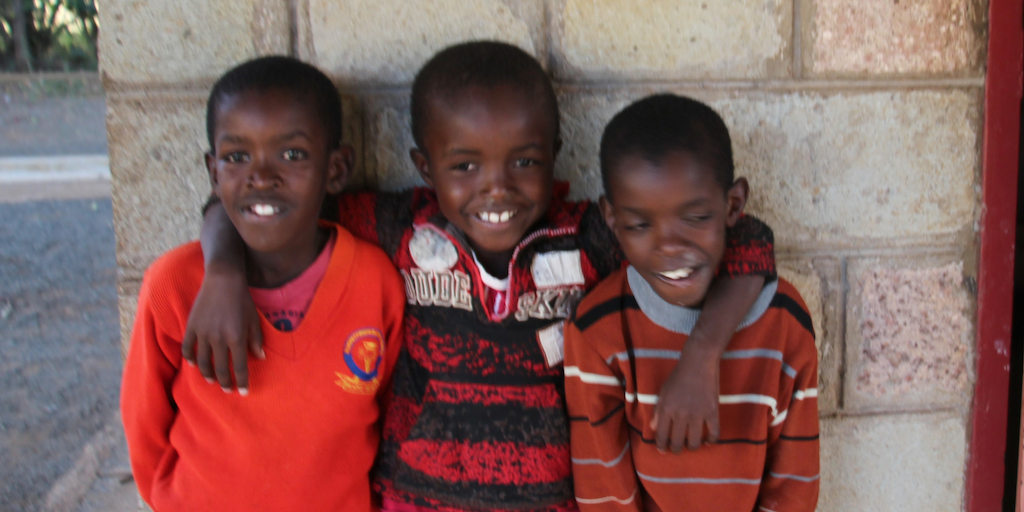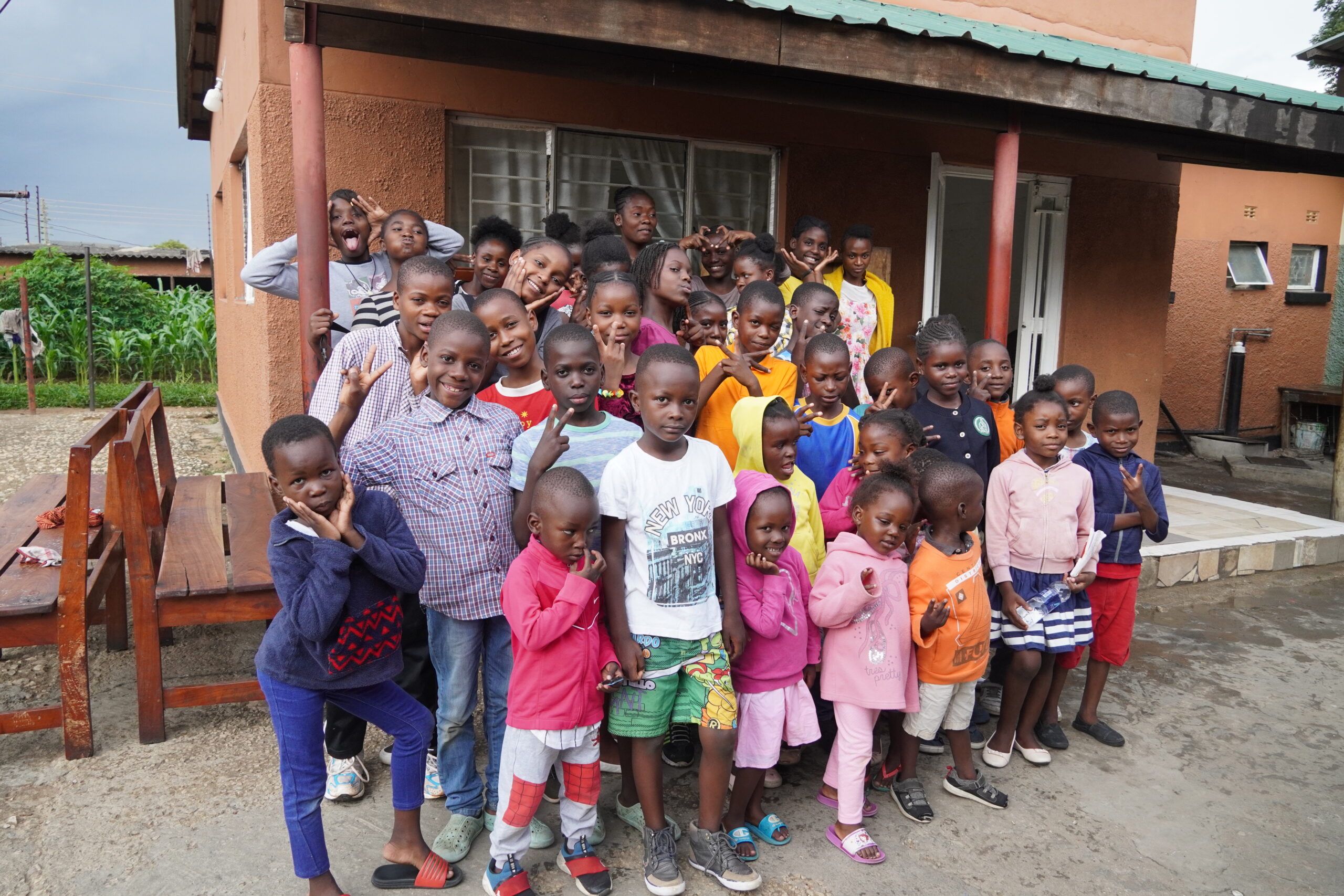

The Kabwata Orphanage and Transit Center in Zambia provides shelter, healthcare, an education, and other necessities including ensuring that the nearly 80 orphaned and abandoned children who call Kabwata home get three nutritious, filling meals every day – something they were never sure of before arriving there.
To help meet the growing children’s need for food to stay healthy, Kabwata founder and executive director Angela Miyanda has for years been growing crops to feed the children in her care, as well as to sell the surplus at local markets to help keep the orphanage fiscally stable.
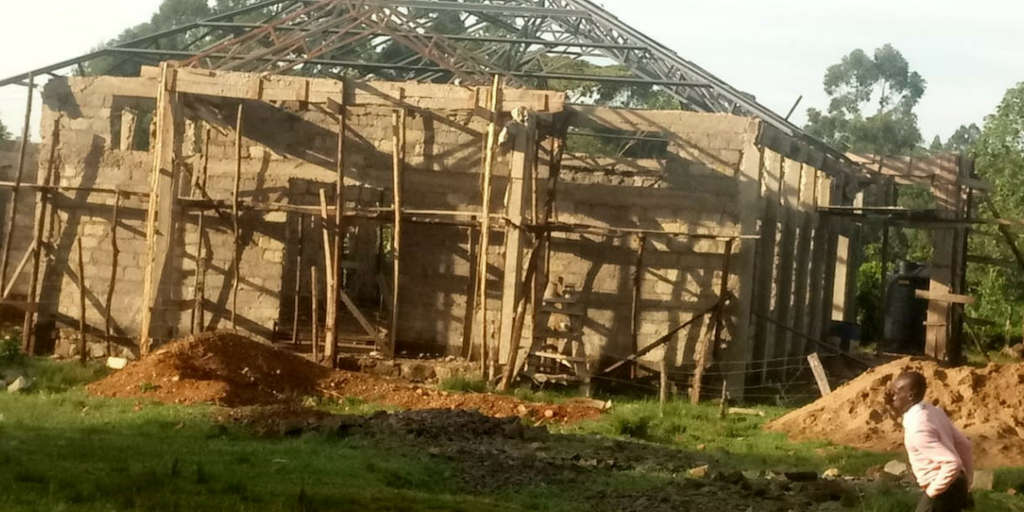
Most recently, thanks to the supporters of Bread and Water for Africa®, earlier this year we were able to provide grant funding to enable Angela to have a greenhouse constructed.
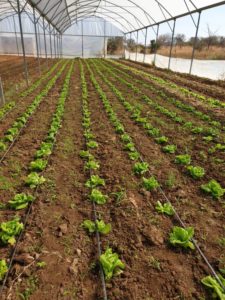
BWA — Kabwata Agriculture Greenhouse
“This has been necessitated by the COVID-19 pandemic which has affected the day-to-day life in the home for the children,” Angela reported. “Prices of essential foods have gone up. From the time of the infection in Zambia the economy has not done well, leading to major problems for many families and charitable organizations.”
The crops grown include cabbage, tomatoes, sweet potatoes, onions, cucumbers, pumpkins, and local vegetables and “while the vegetables will be growing, our chicken coop will provide eggs” and its tilapia fish farming operation (also funded by Bread and Water for Africa® a few years ago) provides for both consumption by the children and also serves as an income-generator.
In fact, Angela estimates that 60 percent of the food for the children is grown right on Kabwata’s compound.
And she notes that while “Zambia has been affected by COVID-19”, thankfully, “though not in deaths but economically. To sustain the program, a stable and steady food supply is key to avoid buying commodities that we can easily grow ourselves.”
In addition, the greenhouse and farming activities provide an opportunity for some of the older children to learn agricultural skills “as we prepare them for the day when they move out of Kabwata.”
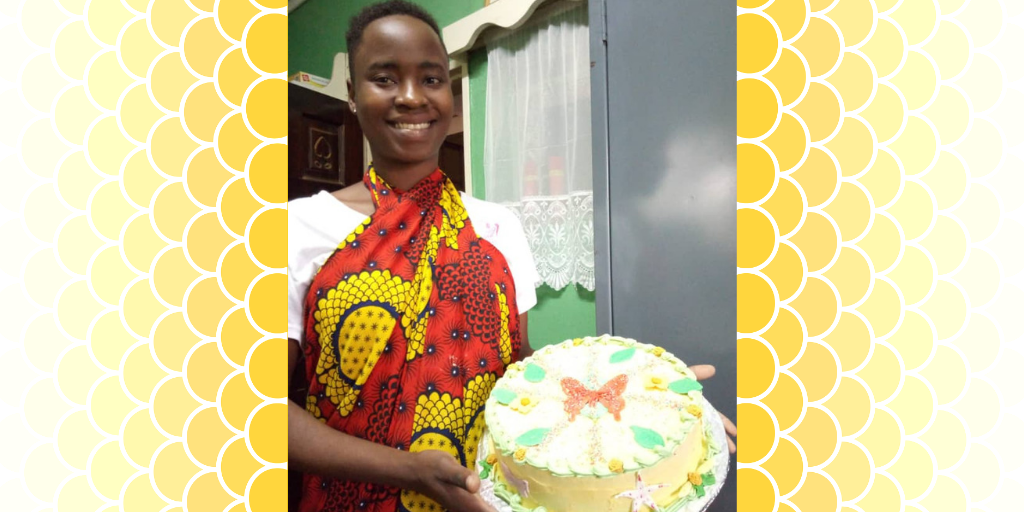
Among them is Natasha, a 17-year-old girl who has been living at Kabwata for two years and is completing her final year of secondary school.
“Each time she works at the farm, she is always amazed at the changes that have been made at the farm for vegetables, and the changes that have been made in this time of COVID-19,” says Angela.
While in the short term, the farming operation meets the children’s daily nutritional needs, Angela is looking ahead to longer term goal “of continued sustenance for the benefit of all the children for years to come.
“The greenhouse will as a very long time. The crops can be grown at different intervals regardless of the season.”