Providing a Brighter Future
for Africa's Children
As a nonprofit and charitable organization, we partner with local African charities and NGOs to provide clean water, healthcare, food, education, orphan care, and more. Every project we support helps African children and families build a healthier, more self-sufficient future.
WATER IS LIFE.
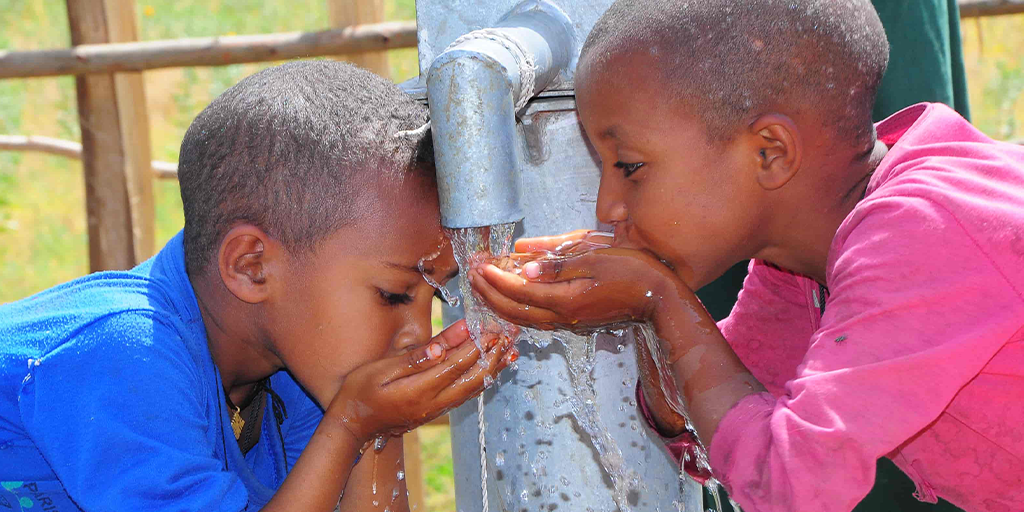
We’ve worked with partners to provide clean water across Africa for many years. Whether it’s for a school, clinic, or farm, these life-changing water projects improve health, reduce hardship, and offer hope for a better future. Thanks to our generous supporters, our work continues in 2026 and beyond.
Featured Programs
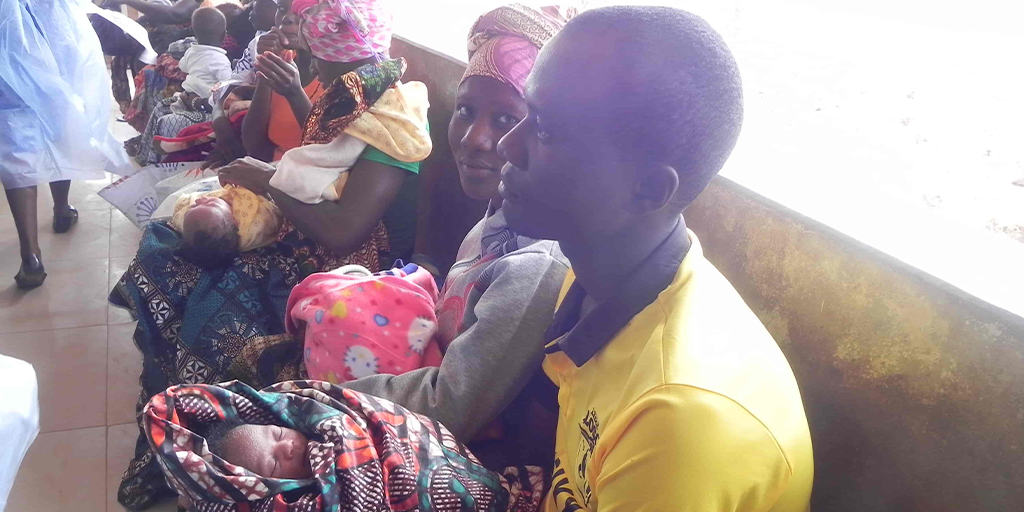
Health Care Program
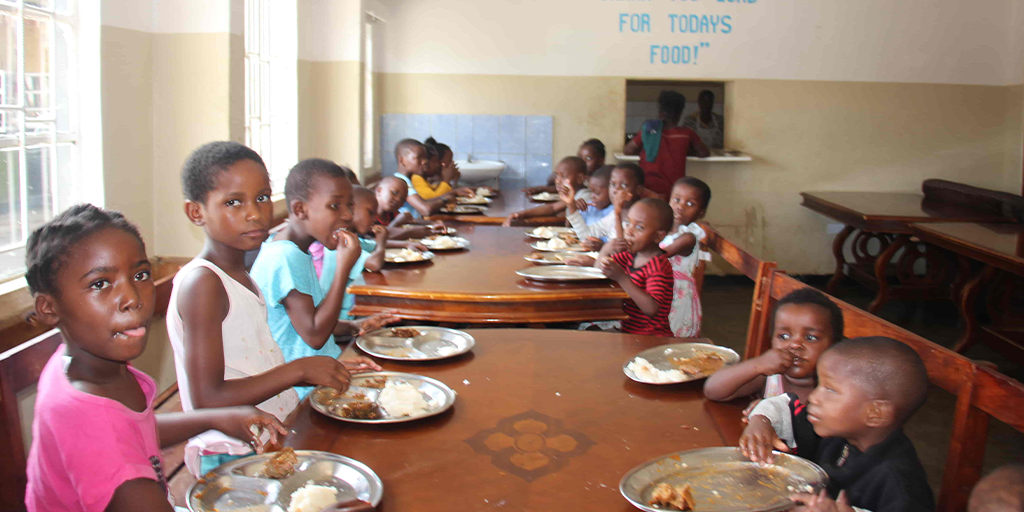
Orphan Care Program
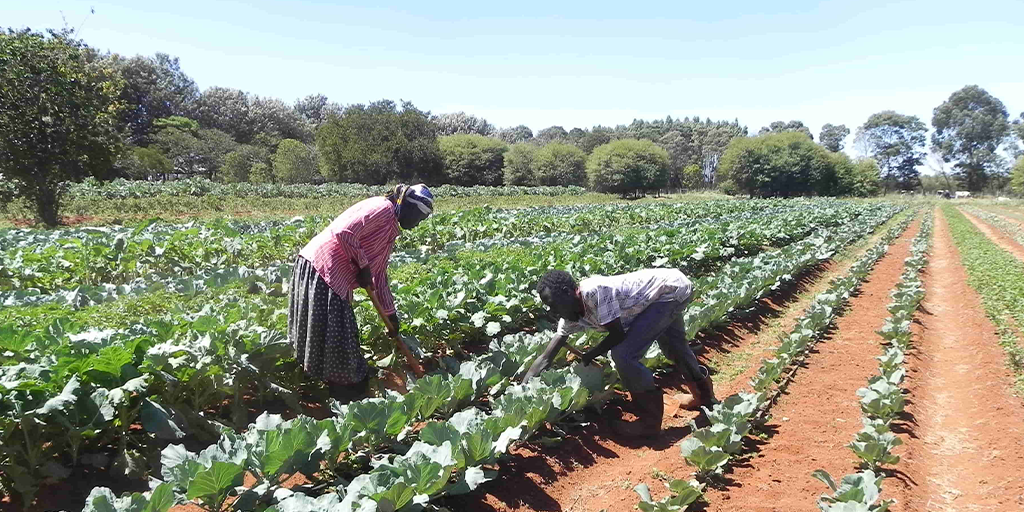
Agriculture Program
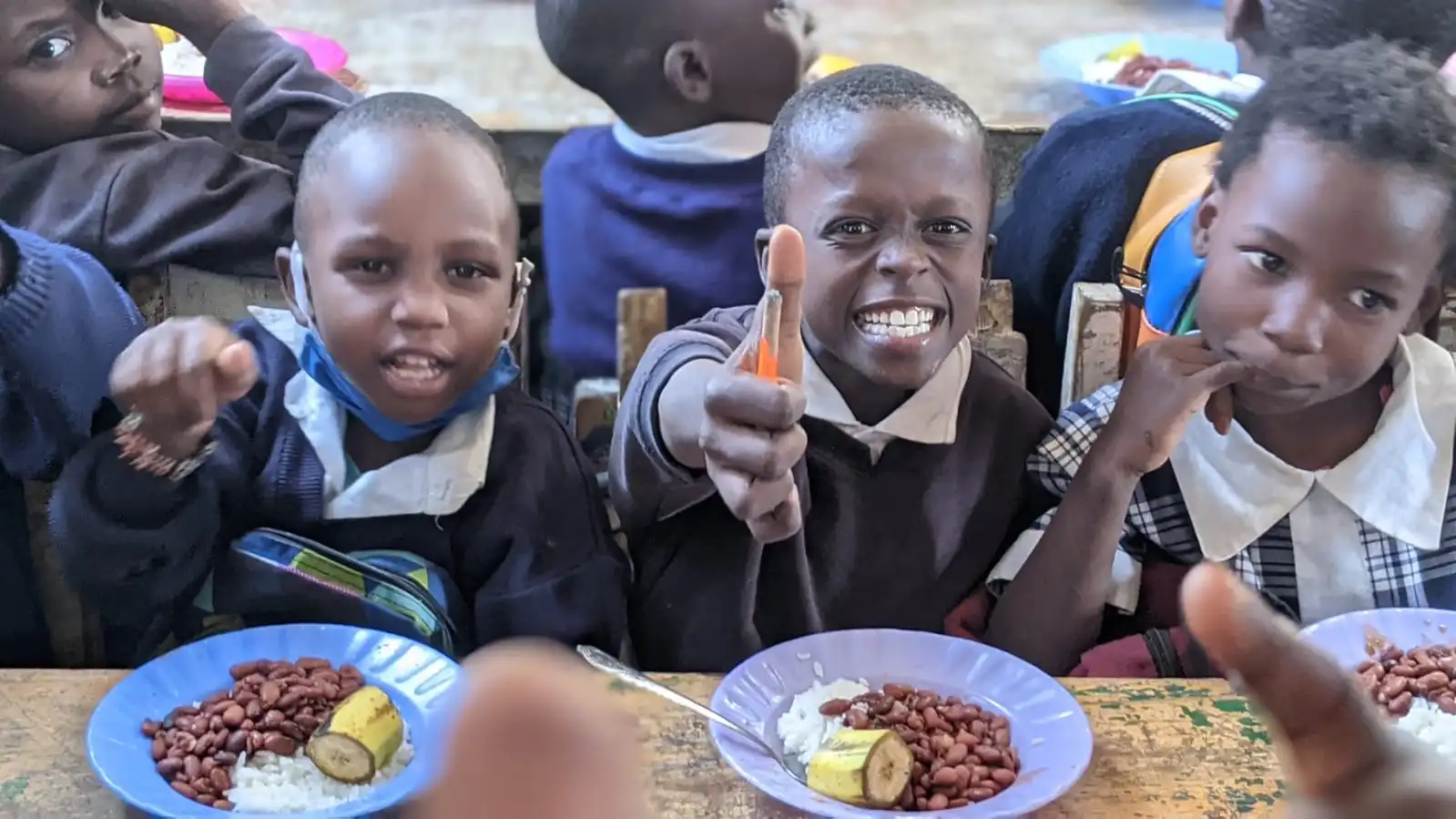
School Meal Program
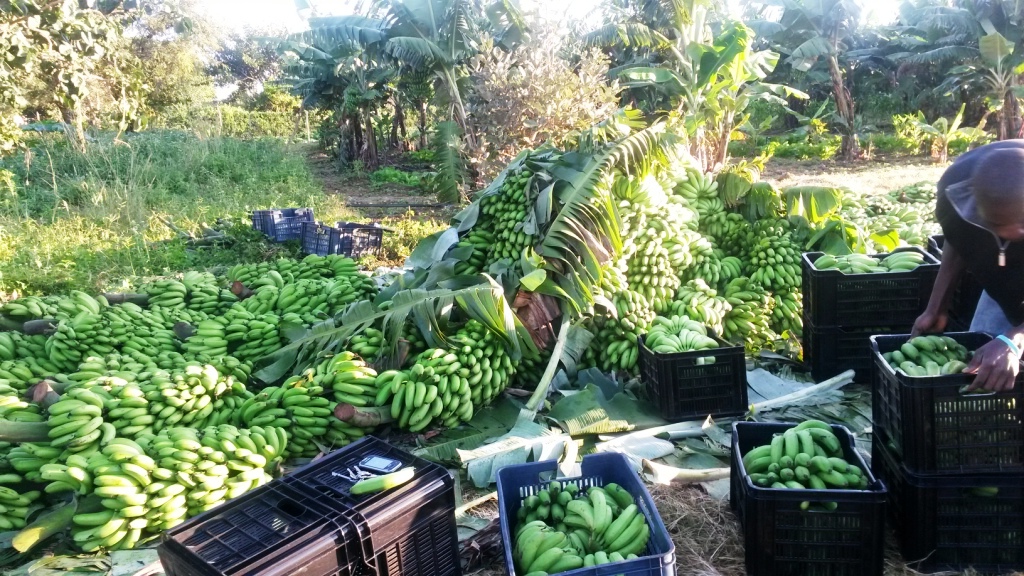
Income Generation Program
Where We Work
We currently work with local organizations in these African countries: Cameroon, Chad, Democratic Republic of the Congo, Ethiopia, Kenya, Malawi, Sierra Leone, Tanzania, Uganda, Zambia, and Zimbabwe.
Our Partners
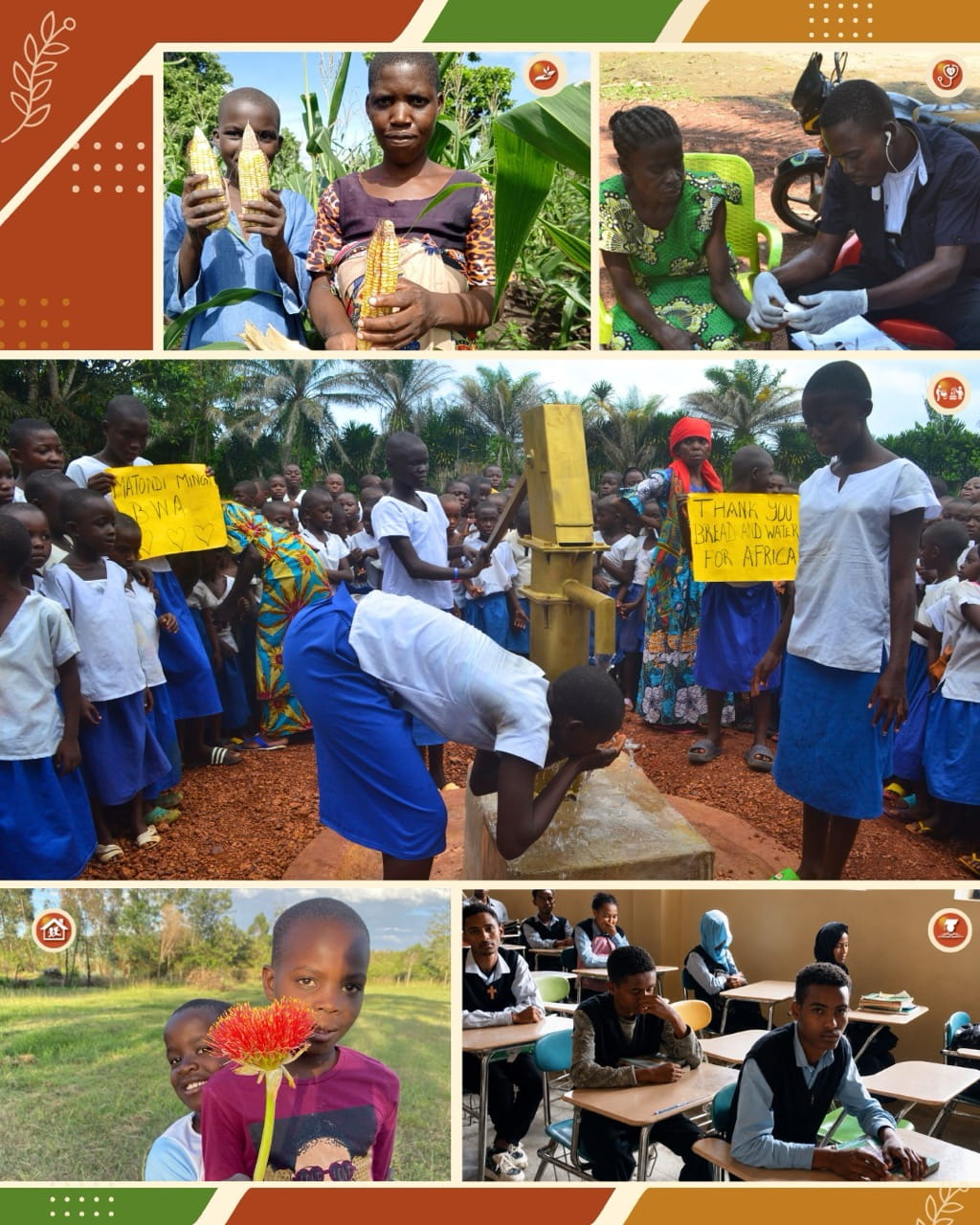
Our programs span across Africa through trusted partnerships with locally based charities and community organizations. Each partner leads projects that provide clean water, food, education, healthcare, and orphan care tailored to their communities' needs. Together, we build healthier, more self-sufficient futures.
Latest News and Impact

Empowering Families Through Agricultural Training: Stories of Transformation in Sierra Leone
Oct 26, 2026
Agricultural training helps Fatmata and Memuna in Sierra Leone grow more food, support their children and build more secure livelihoods through FHDO.
Read More →

Empowering Change: Training a New Generation of Farmers in Sierra Leone
Oct 19, 2026
Bread and Water for Africa® and FHDO are supporting agricultural training for 75 women and 25 youth in Sierra Leone to strengthen food security and livelihoods.
Read More →

Empowering Futures: Celebrating Rural Women’s Resilience and Innovation in Agriculture
Oct 13, 2026
Bread and Water for Africa® celebrates rural women, World Food Day and poverty eradication through agricultural training and support in Sierra Leone and Malawi.
Read More →

Food Sustainability in Sierra Leone: Planting Seeds of Hope for a Better Future
Oct 9, 2026
For families across rural Sierra Leone, farming is far more than a livelihood. It is the foundation of daily life — putting food on the table, generating household income, paying school fees, and offering families hope for a more secure future. Yet for many smallholder farmers, producing enough food remains a daily challenge. That is […]
Read More →

Empowering Lives: Tackling Food Insecurity through Sustainable Agriculture in Sub-Saharan Africa
Oct 5, 2026
The United Nations’ World Food Programme (WFP) reported in its 2026 Global Outlook mid-year update in June that food “needs remain highly concerning” around the world as 266 million people across food-crisis countries continue to face acute food insecurity. That number, more than double the number recorded a decade ago according to the WFP, includes […]
Read More →

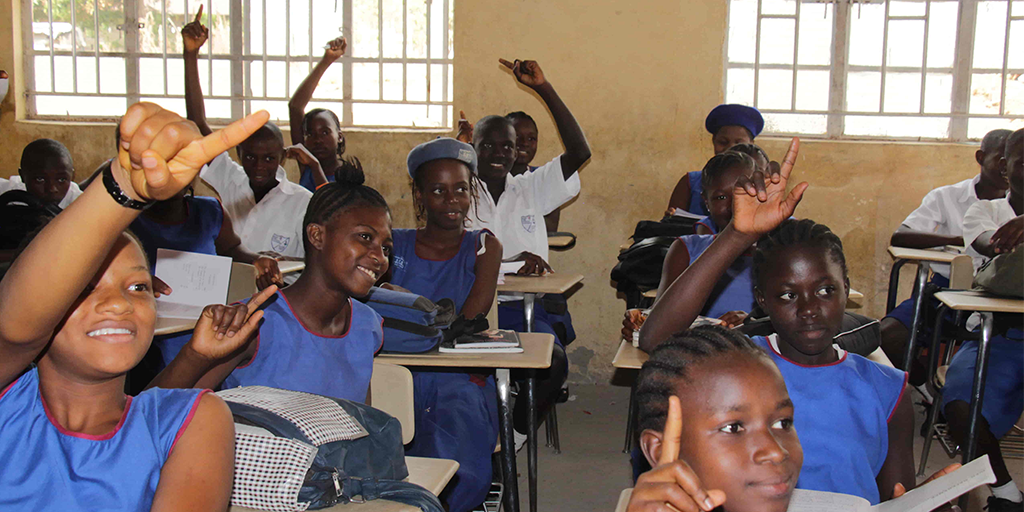
The Importance of Education in Africa: Building Brighter Futures One Child at a Time
Sep 22, 2026
Discover why education is vital to Africa’s future and how Bread and Water for Africa® helps children overcome barriers to learning.
Read More →
Help Save Lives in Africa
Your gift to Bread and Water for Africa® helps provide lasting support to children, families, and communities across Africa. Through programs that expand access to clean water, nutritious food, healthcare, education, and support for orphaned and vulnerable children, your generosity helps meet urgent needs while creating opportunities for a stronger future.
Bread and Water for Africa
(opens in a new tab)Bread and Water for Africa® is a BBB-accredited charity with a Candid Platinum Seal of Transparency. Our mission is simple, provide a brighter future for Africa's Children! Learn more at africanrelief.org
🌱 One good harvest can feed a family. But what if they could keep growing more food year after year?
That's what we're helping 100 farmers in Sierra Leone work toward!
Through our local partner FHDO, they'll learn better farming methods and business skills to help them grow more food, sell what they don't need, and earn money to support their families.
As FHDO program manager Francis A.B. Rogers explains, the goal is to help farmers earn income that will “enable them to continue farming.”
And when farmers grow more food, their families benefit, local markets have more to sell, and more money stays in the community!
🧡 Your support can help make a difference that lasts beyond one harvest.
👉 Help more farmers get the training and tools they need: africanrelief.donorsupport.co/page/FUNFVHXYBJC ...
0 CommentsComment on Facebook
🍲🌿 Have you ever tried cassava leaf stew?
It's a well-loved dish in Sierra Leone, made with finely chopped cassava leaves cooked into a rich stew, often with palm oil, seasonings, and fish or meat.
It's commonly served over rice, bringing together two important ingredients in Sierra Leonean cooking.
Cassava isn't just valued for its roots. Its leaves are also used to make delicious meals!
🧡 Would you try cassava leaf stew? Or have you had it before? Tell us in the comments! ...
1 CommentsComment on Facebook
🌱 Over the next few months, 100 aspiring farmers — 75 women and 25 young people — will learn better agricultural practices to help them grow more food!
This is all thanks to our local partner in Sierra Leone, Faith Healing Development Organization (FHDO).
They'll learn different farming methods and receive tools, fertilizer, and other supplies to help them grow more food on their own land.
And the goal isn't just to have one good harvest. With the right skills and resources, these farmers can feed their families, sell what they grow, and earn money for expenses like their children's school fees.
🧡 See how this program is helping local farmers work toward greater self-sufficiency.
👉 Read the full story: africanrelief.org/empowering-change-training-new-generation-farmers-sierra-leone/ ...
1 CommentsComment on Facebook