Many people around the world want to make a difference but are unsure where to start. The good news is that helping kids in Africa does not require being on the ground yourself. With the right approach, you can create meaningful, lasting change from wherever you are. This guide will walk you through how to help kids in Africa in ways that are both effective and sustainable.
What Are the Most Effective Ways to Help Children in Africa?
- Financial support through transparent, efficient charities
- Supporting education programs to break the cycle of poverty
- Funding nutrition and health initiatives to save lives
- Providing community-based orphan care for safe, loving homes
By focusing on these core areas, we at Bread and Water for Africa®, together with supporters like you, can help ensure that children across Africa grow up healthy, educated, and full of hope.
Understanding the Immense Challenges Children Face
Children across Africa face challenges that threaten their health, education, and future opportunities. To understand why helping kids in Africa is so urgent, we must first look at the scale of the crises they are up against.
The Orphan Crisis
Sub-Saharan Africa faces a devastating orphan crisis, with an estimated 10 million children having lost one or both parents to AIDS by 2023 (Our World in Data). Behind that number are children left vulnerable to hunger, exploitation, and interrupted schooling.
Orphaned children often lack the safety of a stable home. Many end up in overcrowded institutions or must rely on extended family members who may already struggle with poverty. Without targeted support, these children face a much higher risk of dropping out of school, suffering from malnutrition, or being pushed into child labor at a young age. Addressing the orphan crisis is central to building safe and supportive environments where every child has the chance to thrive.
Displacement from Conflict & Climate
Conflict and instability have left millions of children across Africa without secure homes. According to UNICEF, 1 in 2 African refugees is a child. Violence, political unrest, and displacement force families to abandon their homes, leaving children without consistent schooling, healthcare, or protection.
Climate change compounds these risks. Floods alone led to 11.2 million new child displacements between 2014 and 2023 (UNICEF). Beyond floods, droughts, storms, and rising temperatures threaten food systems and water supplies, making it even harder for children to grow up in stable conditions. Displacement uproots children from the communities and resources they depend on, disrupting education and exposing them to further dangers.
Together, conflict and climate pressures create a cycle of vulnerability. Helping kids in Africa requires addressing not just their immediate needs but also the root causes of displacement that continue to jeopardize their future.
Urgent Health Risks
Health disparities remain one of the greatest threats to children’s survival in Africa. According to the WHO, children in sub-Saharan Africa are more than 14 times more likely to die before the age of five than children in developed regions. About 45% of these child deaths are linked to malnutrition, which weakens the immune system and leaves children far more vulnerable to diseases that are preventable with the right care.
For families living in poverty, even basic healthcare is often out of reach. Clinics may be located many miles away, requiring families to walk long distances while carrying sick children. When they arrive, essential medicines or trained staff may be missing. Costs for services and prescriptions can be overwhelming for families already struggling to afford food. This means illnesses like pneumonia, diarrhea, and malaria, diseases that are treatable with simple interventions, continue to claim young lives at alarming rates.
The situation is made worse by limited infrastructure and underfunded health systems. Rural areas face the steepest challenges, with fragile clinics serving thousands of people and little access to emergency transport. Mothers often give birth without trained medical support, leading to complications for both mother and child. Vaccination rates remain inconsistent, leaving many children unprotected against deadly but preventable diseases.
Reducing health risks must remain at the heart of helping kids in Africa. Investments in nutrition, local health clinics, and maternal care save lives, but they also build the foundation for long-term resilience, giving children the chance not just to survive but to thrive.
Critical Barriers to Education
Education is one of the clearest pathways to independence and long-term opportunity, yet millions of children in Africa are denied this chance. According to UNESCO, more than one-fifth of primary school-aged children and nearly 60% of older youth in sub-Saharan Africa are not in school. This represents more than missed classroom hours; it is the loss of potential for an entire generation.
The barriers are complex. Poverty often forces children into labor so they can help support their families, leaving no time for school. In many rural areas, schools are too far away, requiring children to walk long distances that put them at risk of exhaustion or even danger along the way. Once inside the classroom, shortages of teachers, textbooks, and basic infrastructure make learning difficult. Some children sit on dirt floors, sharing one book between many.
Girls face even greater obstacles. Cultural expectations, early marriage, and safety concerns mean they are more likely to drop out or never enroll at all. Without equal access to education, girls miss out on opportunities to secure meaningful employment and are more vulnerable to cycles of poverty and exploitation.
Breaking these barriers is essential. Education is not only about teaching literacy and numeracy, it is about equipping children with the skills, confidence, and opportunities they need to shape their futures. Anyone exploring how to help kids in Africa should recognize education as one of the most effective and lasting forms of support.
Widespread Hunger and Malnutrition
The food crisis facing African children is staggering in both scale and impact. According to UNICEF, 1 in 3 children in Africa lives in severe child food poverty. This is not simply a matter of hunger. It is a direct threat to survival, growth, and development.
Children growing up without access to nutritious food are at high risk of stunted growth, weakened immune systems, and impaired cognitive development. This means hunger affects not just their physical health but also their ability to learn in school, concentrate, and retain knowledge. In the long term, chronic malnutrition lowers productivity and limits opportunities, keeping entire communities in poverty.
For many families, daily meals consist of little more than cassava, maize, or rice, with protein, fruits, and vegetables out of reach. Rising food prices and climate-related crop failures make balanced meals even harder to secure. In areas struck by conflict or displacement, the crisis deepens further as families are cut off from farmland and local markets.
When we talk about helping kids in Africa, ensuring that no child goes to bed hungry must be one of the highest priorities. School meal programs, nutrition clinics, and sustainable farming initiatives are not just about filling stomachs; they are about giving children the strength to attend school, the health to fight off disease, and the chance to reach their full potential.
What You Can Do to Help
There are many ways to begin helping kids in Africa, but some of the most powerful approaches start with education, health, and care. Each action, whether large or small, contributes to giving children the chance to grow up safe, strong, and full of opportunity.
Support a Child's Education to Unlock Their Future

Education is one of the most transformative tools for breaking the cycle of poverty. Through our Education Program, we supported more than 32,526 youth in 2025 by providing school fees, essential supplies, and infrastructure like new classrooms and desks, as well as donating books to over 30,000 students. Yet supporting education is more than simply providing books or desks; it means addressing the real-world barriers that keep children out of the classroom.
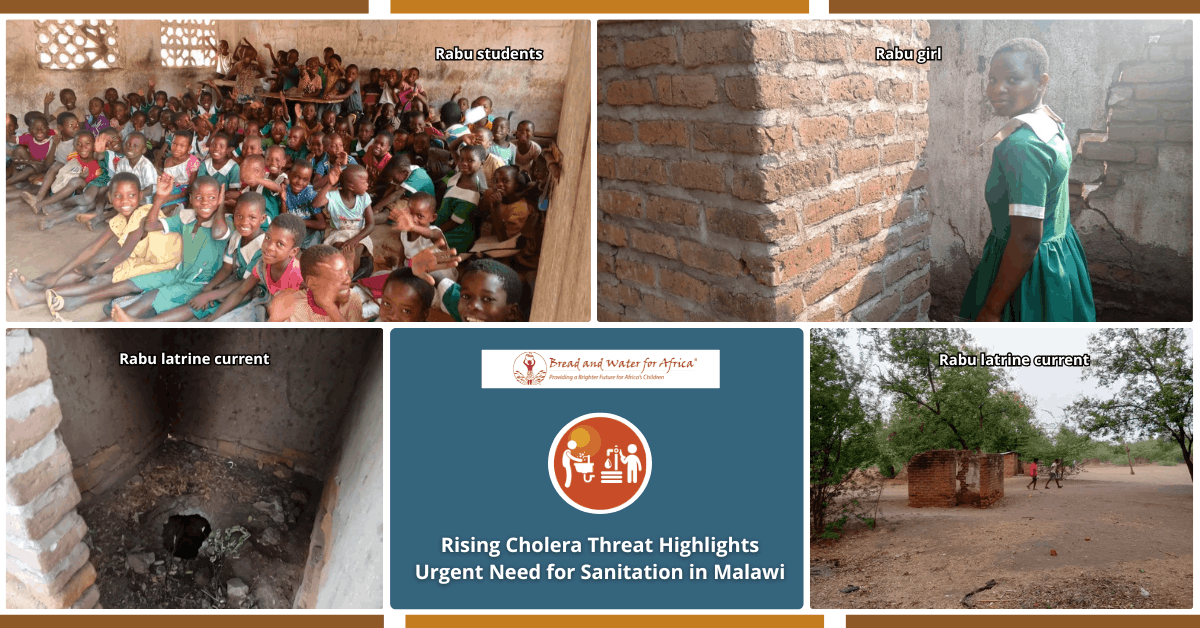
A powerful example comes from Malawi, where we worked to build safe, hygienic toilets for nearly 800 girls at local schools (story from Malawi). For many of these girls, the lack of proper facilities had forced them to miss classes, especially during their menstrual periods. With clean, private restrooms available, attendance improved, and girls could continue their education without fear or shame.
The impact of consistent, long-term support is even more remarkable. One story we are especially proud to share is that of Mumba, who grew up at our partner Kabwata Orphanage. With our support, he was able to complete her education step by step, eventually graduating from medical university. Today, he is not just thriving personally, but he is giving back to his community as a healthcare professional.
These stories show that when children are given the tools to succeed, the results ripple far beyond the classroom. Supporting a child’s education means investing in leaders, caregivers, and innovators who will shape Africa’s future.
Provide Life-Saving Nutrition and a Safe, Loving Home

For many children, the difference between survival and despair begins with something as simple as a meal or a safe place to sleep. Our School Meal and Orphan Care programs address these most urgent needs by ensuring children have consistent nutrition and the security of loving homes. In 2025 alone, we supported 448 orphans with essential care across Zambia, Tanzania, and Zimbabwe, while 224 children in Nairobi's Kibera slum received two nutritious meals every school day.
One powerful example is our School Feeding Program story in Kenya. In a crowded Nairobi slum, hundreds of children once struggled to stay in school because of hunger. By providing regular meals, we not only filled empty stomachs but also gave children the energy and focus to continue learning. A simple plate of food became the key to education and hope for the future.
The story of Melissa from Zimbabwe shows another side of this impact. Once treated as an outcast, Melissa found acceptance, safety, and opportunity at Lerato Children’s Village. With a home that nurtured her and access to an education, she transformed her life from isolation to belonging. Today, Melissa is thriving, a testament to the power of giving children both shelter and love.
These stories are just a glimpse of the difference being made. To learn more, explore our Success Stories and this resource on how to help orphans in Africa, where you’ll find additional stories of resilience and hope.
Donate to Children in Africa
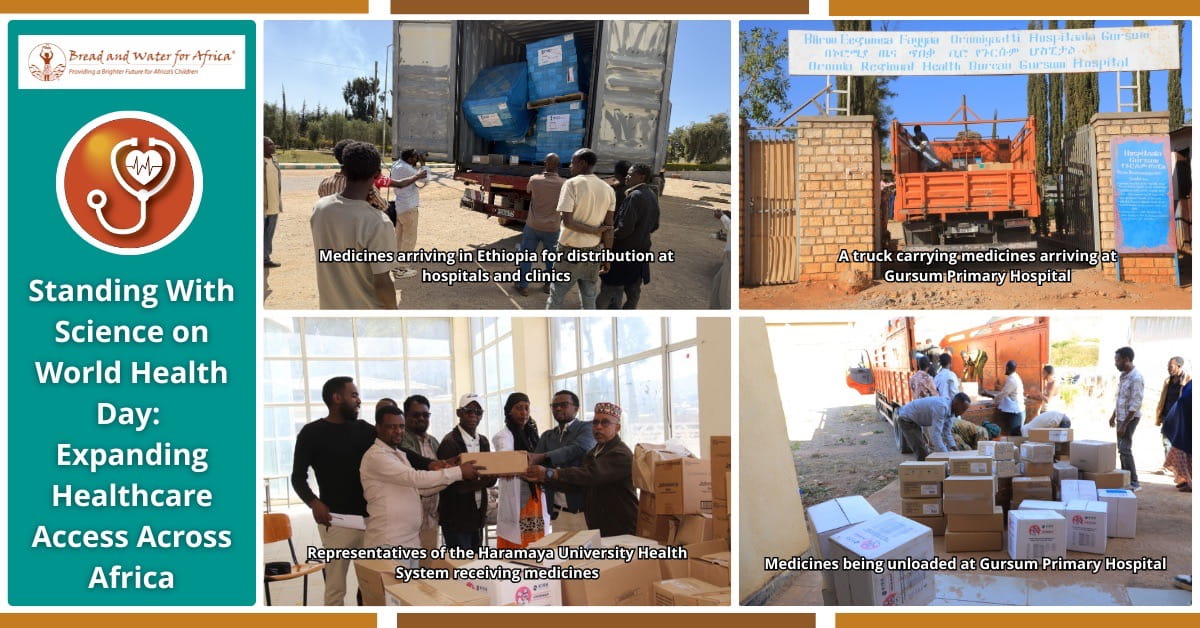
One of the most direct ways of helping kids in Africa is through financial support, but not all giving has the same impact. An effective charity is one that is transparent, accountable, and ensures that donations are spent where they are needed most. At Bread and Water for Africa®, we are proud to hold the Guidestar Platinum Seal of Transparency and to direct 99% of all expenses toward program services.
Your donation does not just go into a general fund; it creates real change for children. A gift of $25 can provide essential school supplies. A donation of $50 can cover a child’s meals for an entire month. These contributions add up to life-changing opportunities, ensuring children have the food, education, and care they need.
Ready to make a meaningful impact? Donate to help children in Africa and be part of lasting change. You can also learn more about the ways you can donate if you’d like to explore all the ways you can contribute.
Your Step Today Can Create a New Tomorrow
The challenges facing children in Africa are immense, but they are not insurmountable. With focused, transparent support, we can tackle hunger, provide education, and create safe homes where children can thrive. Every act of generosity, no matter the size, helps build a brighter future for those who need it most.
Join us in our mission. Together, we can create new tomorrows filled with hope, dignity, and opportunity.