In 2024, Sub-Saharan Africa was home to just 16% of the world’s population but accounted for 67% of all people living in extreme poverty (World Bank). These numbers show the depth of the crisis and why conversations about development, health, and opportunity on the continent inevitably lead back to poverty.
When people ask, “What is the biggest problem in Africa,” the answer is complex. Africa faces many interconnected challenges, from food insecurity to inadequate healthcare and climate vulnerability. But at the center of these issues is poverty. Persistent poverty in African countries not only limits economic growth but also intensifies hunger, weakens public health systems, and restricts educational opportunities.
This resource explores the causes of poverty in Africa along with solutions, while highlighting the community-led programs supported by the lasting change we create at Bread and Water for Africa®.
Poverty in Africa Statistics
According to the 2024 Global Multidimensional Poverty Index (MPI), an estimated 553 million people in Sub-Saharan Africa are living in multidimensional poverty; nearly half of the world’s total. The vast majority of those affected, 83.7%, live in rural areas where access to schools, healthcare, and basic infrastructure remains limited. Children are disproportionately impacted, with more than 317 million under the age of 18 in Sub-Saharan Africa living in poverty.
At the same time, safety nets to protect families are weak. Only 17.4% of Africa’s population is covered by formal social protection systems, far below the global average (UNDP Africa Sustainable Development Report, 2024). This leaves hundreds of millions vulnerable to shocks such as job loss, climate change, or health emergencies.
Poverty is also deeply concentrated in some of the poorest countries in Africa. Nations such as Niger, Chad, the Central African Republic, Burundi, Mali, and the Democratic Republic of the Congo face extreme rates of deprivation, where between 64% and over 90% of the population lives in poverty.
These numbers illustrate that poverty levels in Africa are not evenly distributed, but heavily shaped by geography. Rural households, in particular, are far more likely to lack clean water, electricity, healthcare, and education, reinforcing generational cycles of disadvantage.
Why is Africa Struggling Economically?
The reasons behind poverty in African countries are deeply interconnected. Historical legacies, governance challenges, infrastructure gaps, and climate change all combine to limit opportunity and reinforce cycles of deprivation. Understanding these factors is key to answering the question of why Africa is in poverty and what solutions are needed.
Historical & Systemic Factors
The roots of poverty in Africa cannot be separated from history. Colonialism imposed artificial borders, extracted natural resources, and disrupted Indigenous systems of governance and trade. In many countries, this legacy left weak institutions and deep inequalities. Today, systemic issues such as unequal access to land, education, and markets continue to limit economic growth. These structural barriers reinforce poverty levels in Africa, especially in rural regions where resources are scarce and infrastructure is underdeveloped.
Conflict, Governance, and Instability
Armed conflict and political instability remain some of the most pressing challenges. According to the 2024 Global MPI Report, 84.2% of the population in conflict-affected Chad and 80.4% in the Central African Republic live in poverty. Wars and prolonged instability displace millions, disrupt farming and trade, and destroy basic services like schools and hospitals.
Governance challenges further compound the problem. Corruption is widespread, with the share of people reporting that they paid a bribe rising from 9.5% in 2013 to 31.4% in 2021 (UNDP ASDR 2024). These patterns erode trust in institutions, misdirect resources, and make it harder to deliver public services that could reduce poverty in African countries.
Infrastructure and Resource Gaps
A lack of access to essential resources such as clean water, food security, healthcare, and education is one of the starkest realities of poverty in Africa.
- Water and sanitation: One in three Africans is affected by water scarcity. As of 2022, 411 million people lacked basic drinking water service, 779 million lacked sanitation, and 839 million lacked basic hygiene (WHO/UNICEF JMP). Climate change is projected to intensify this crisis, with up to 460 million people facing periodic water scarcity by 2025.
- Food insecurity: Africa is not on track to meet international hunger reduction goals. In 2022, nearly 282 million people were undernourished, and 868 million were moderately or severely food-insecure (FAO). More than 342 million faced severe food insecurity, while 1 in 3 children under five is stunted (UNDP ASDR 2024).
- Healthcare: The continent carries some of the world’s highest burdens of preventable maternal and neonatal deaths, infectious diseases, and rising non-communicable illnesses. Today, over 37% of all deaths in Africa are linked to conditions such as diabetes, heart disease, and cancer (Nature, 2024).
- Education: Access to education remains a powerful but underutilized tool for reducing poverty. Each additional year of schooling increases income by 12.4% in Sub-Saharan Africa (World Bank, 2023). Yet 7 in 10 children do not attend pre-primary school, and nearly 9 in 10 are unable to read and understand a simple text by age 10. Dropout rates are high, with one-third of children leaving school early due to poverty, early marriage, or inadequate facilities. Among the poorest adolescents, nearly 60% are out of school.
These gaps in basic services keep millions trapped in poverty, even as economies in some African countries grow.
Climate Change
Africa contributes less than 4% of global greenhouse gas emissions, yet its people are among the most vulnerable to the effects of climate change. Extreme weather events such as droughts, floods, and cyclones are striking with greater frequency and intensity, directly undermining agricultural livelihoods. In 2022 alone, more than 110 million people across Africa were directly affected by climate-related hazards (UNDP ASDR 2024).
For rural households that rely almost entirely on farming, a single season of failed rains can mean both hunger and financial ruin. As the climate crisis accelerates, poverty in African countries will deepen unless communities receive resources to adapt, strengthen resilience, and reduce dependency on fragile agricultural systems.
A Holistic Solution
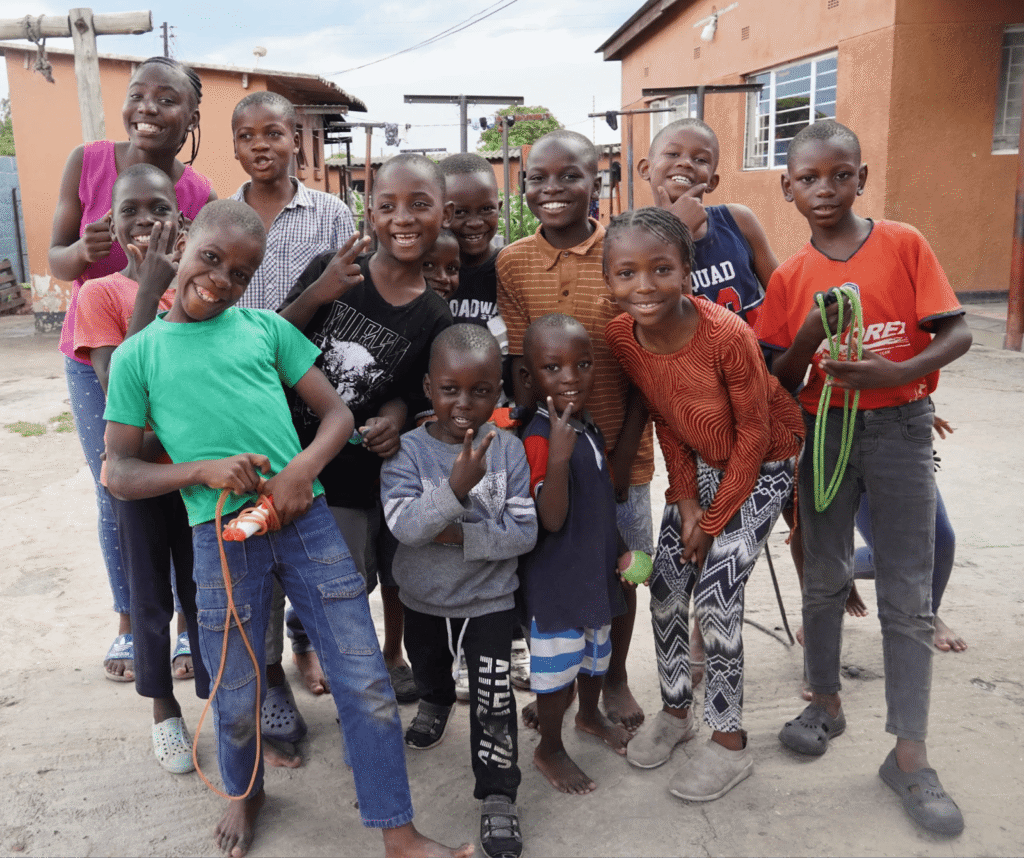
Despite the immense challenges, there is hope. Across the continent, families and communities are leading the way in building resilience and breaking cycles of poverty. At Bread and Water for Africa®, we believe the most effective change comes from within; by investing in local leaders and empowering communities to create solutions rooted in their own strengths.
Our philosophy is simple: poverty in Africa cannot be solved by short-term fixes alone. That’s why we take a holistic approach to development, addressing health, food security, clean water, education, and income generation together. By partnering with grassroots organizations, we ensure that solutions are sustainable and culturally grounded.
When people ask about organizations that help Africa out of poverty, we stand apart for our commitment to community-led progress. Instead of imposing outside models, we support local clinics, schools, farms, and small businesses, creating pathways for families to thrive long after initial aid is provided.
A Lifeline Through Health & Education
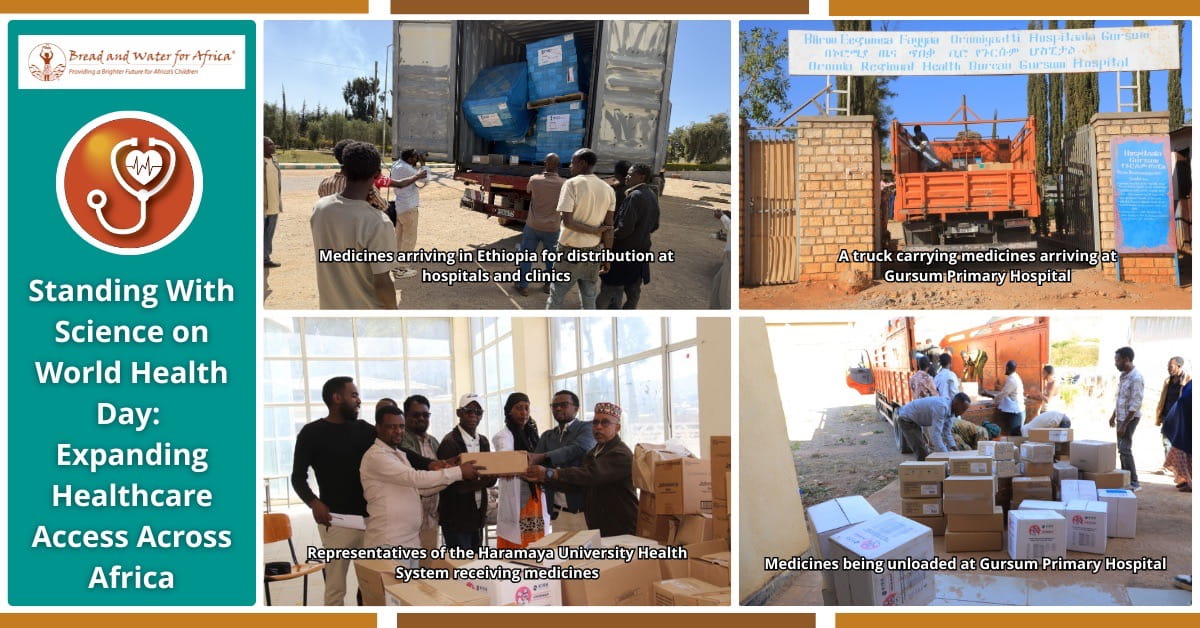
Bread and Water for Africa® addresses poverty at its roots through vital Healthcare and Education programs In 2025 alone our healthcare initiatives reached over 70,340 individuals, while 35,526 students received direct educational support. These programs are more than numbers; they are lifelines that open doors to opportunity and dignity.
Healthcare in the DRC
In the Democratic Republic of the Congo, families in isolated, indigenous communities often live far from hospitals or clinics. To meet this urgent need, we partnered with a trusted local organization to launch a mobile medical clinic that brings doctors, nurses, and medicines directly to people who otherwise would go without care. By delivering services in remote villages, the clinic provides essential treatment, preventive care, and health education to thousands who have been marginalized for generations.
Education in Zambia
Education is one of the most powerful tools to break cycles of poverty in African countries, and stories like Mumba’s show its lasting impact. Raised from infancy at the Kabwata Orphanage, Mumba benefited from years of consistent support through our Education and Orphan Care programs. With the stability and resources he received, he was able to finish his studies and graduate from medical university. Today, he is not only a trained medical professional but also a role model in his community.
In Mumba’s own words: “Being educated is one of the best things I’ve ever wanted. Thank you for all your support and may the good Lord bless you.”
Sustainable Water & Agriculture
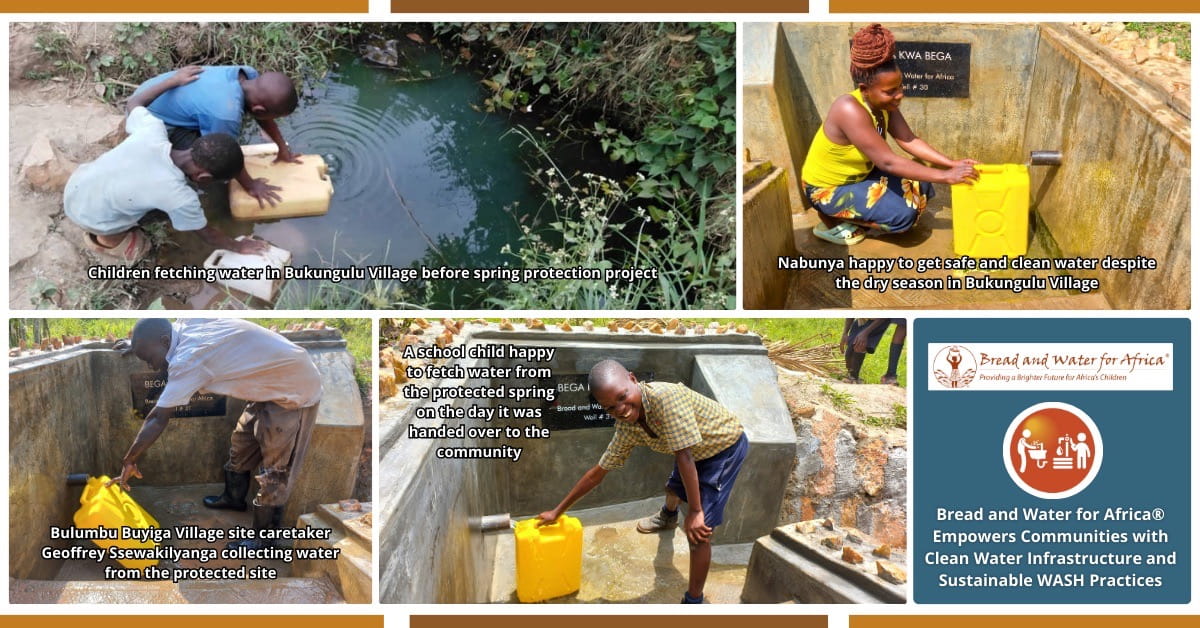
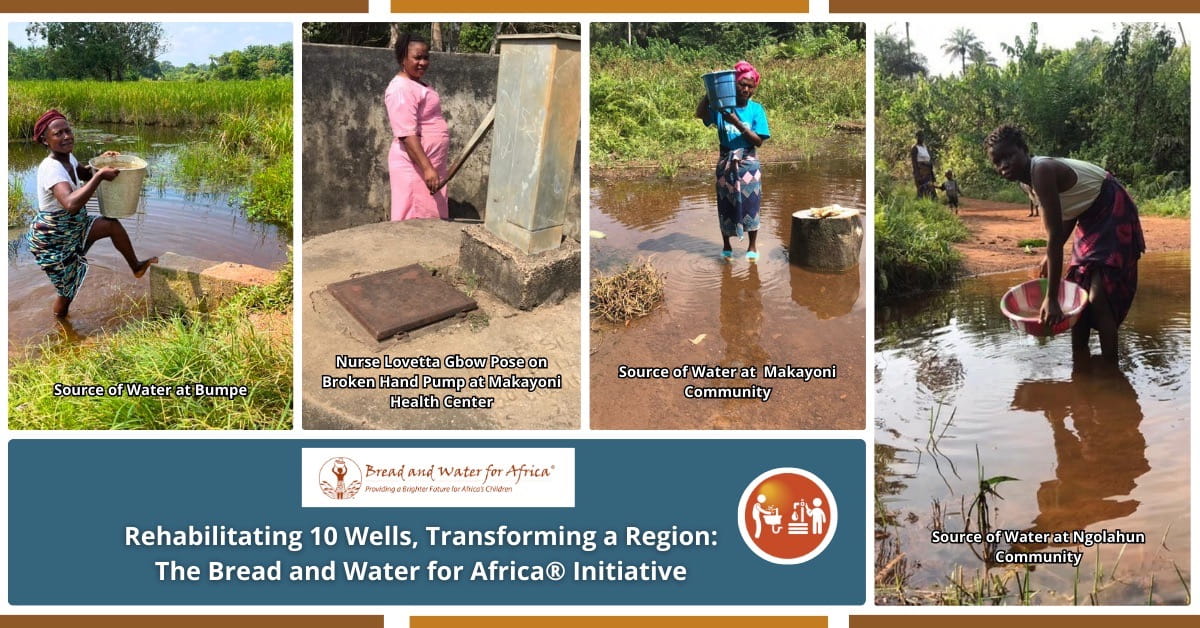
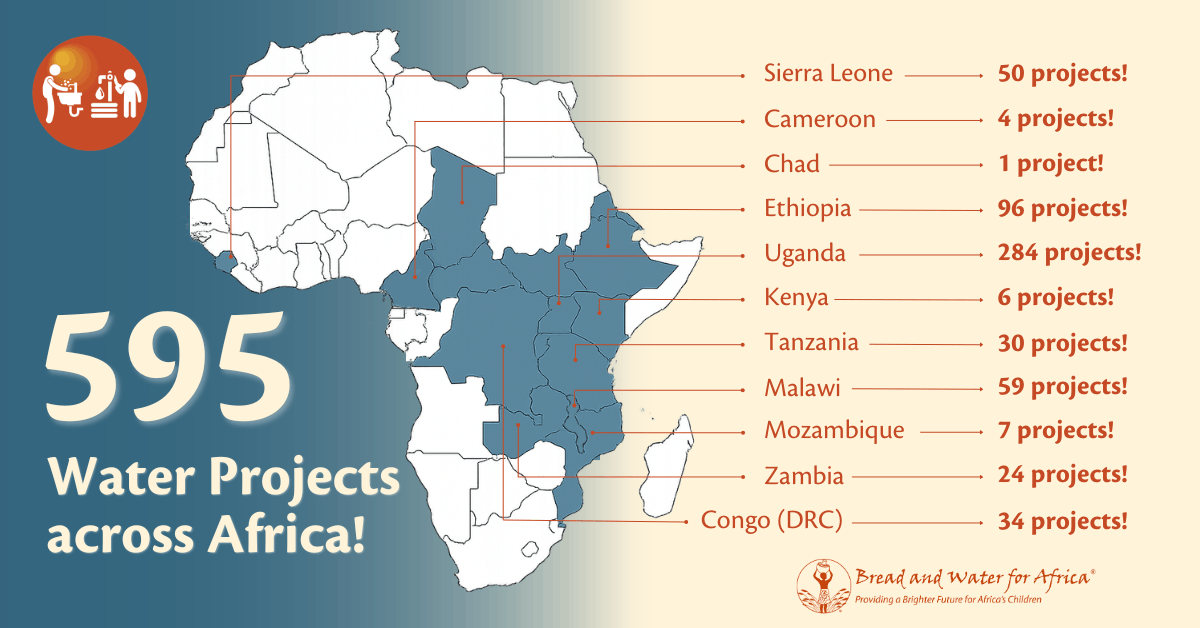
Access to safe water and reliable food systems is essential for breaking cycles of poverty in African countries. We invest in WASH (Water, Sanitation, and Hygiene) and Agriculture programs to help families achieve long-term self-sufficiency. In 2025, 84 WASH projects provided clean water to more than 70,342 people, while over 27,034 individuals benefited from agricultural initiatives that improve food security and household income.
Clean Water in Malawi
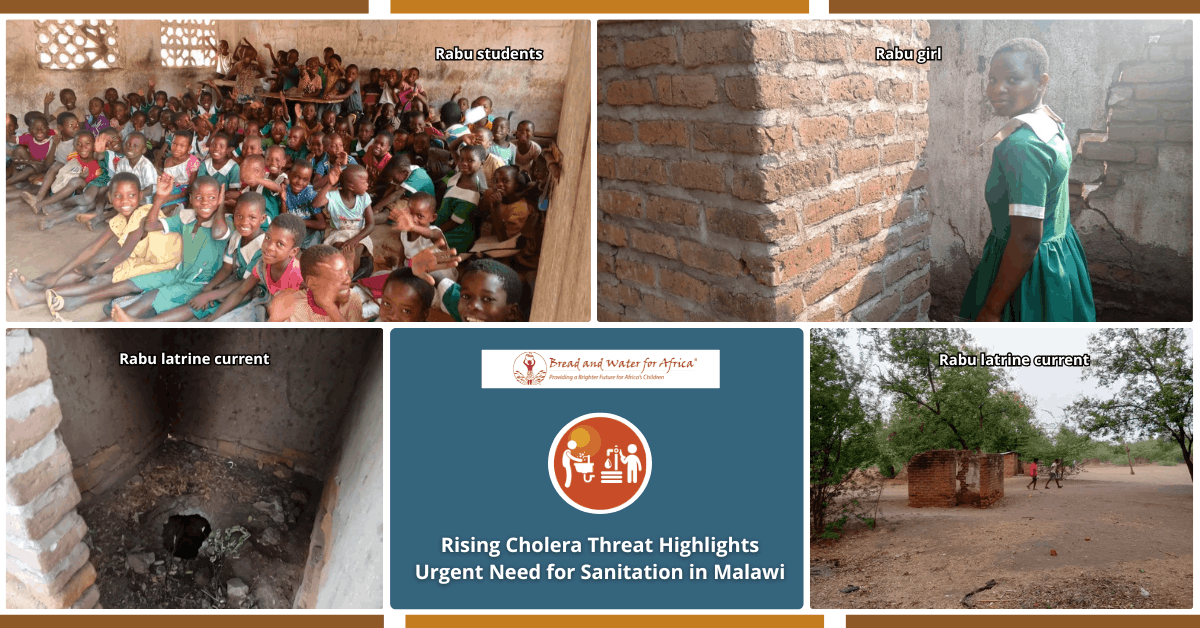
In Levison Village, families once relied on contaminated water sources that caused widespread illness and limited farming success. With support from Bread and Water for Africa® and our local partner, a borehole was drilled to provide safe, reliable drinking water. The impact went far beyond health. Access to clean water improved crop yields, reduced medical costs, and strengthened the local economy. This project shows how the gift of clean water can ripple through every part of community life.
Food Self-Sufficiency
Agriculture is one of the most effective answers to poverty in Africa. When smallholder farmers increase yields while protecting the land, they not only improve family nutrition but also generate income and reduce dependency on outside aid. Yet across Sub-Saharan Africa, climate change, conflict, and fragile economies continue to threaten harvests, leaving millions at risk of hunger.
At Bread and Water for Africa®, food self-sufficiency is a central mission. In 2025, we supported agricultural programs in Malawi, Sierra Leone, Tanzania, and Zimbabwe ensuring thousands of families and children had enough food year-round.
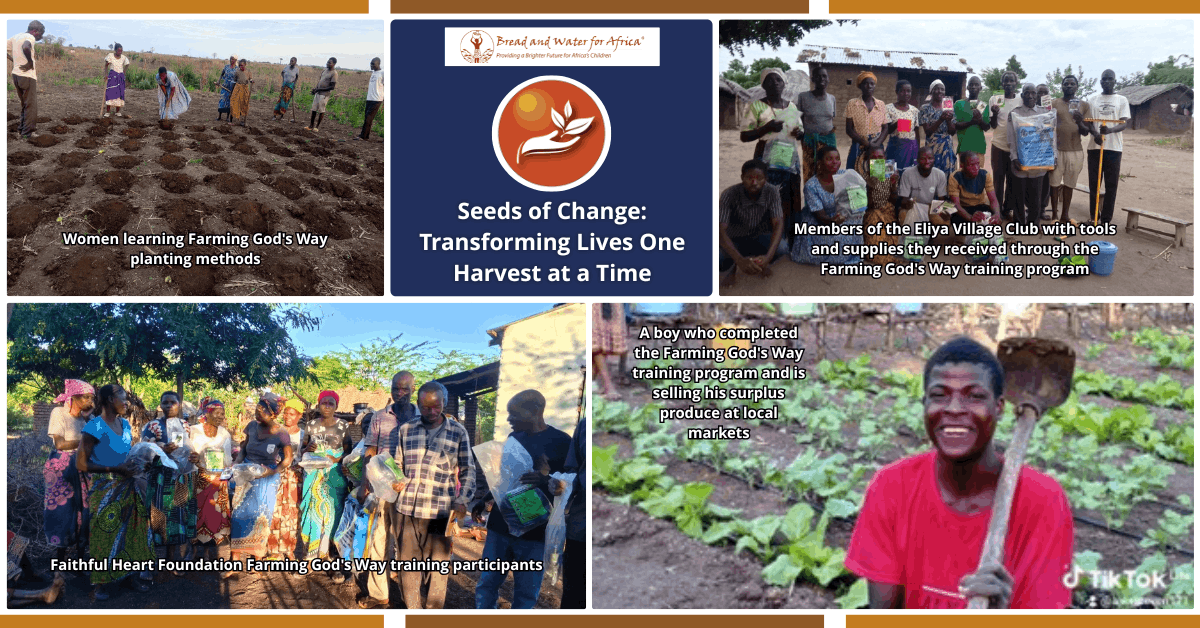
- Malawi: Our partner, Faithful Heart Foundation, trains smallholder farmers in Farming God’s Way, a sustainable method that boosts maize, sorghum, millet, and vegetable harvests while protecting the soil from erosion. With bigger harvests, families can sell surplus produce at local markets, generating income and moving from dependency toward lasting self-reliance.
- Tanzania: At the Watoto Wa Africa Orphanage, nearly 20 acres of farmland and a new well now produce sorghum, sweet potatoes, greens, and more. Over 100 orphaned and vulnerable children receive three meals a day, with surplus sold to support the home.
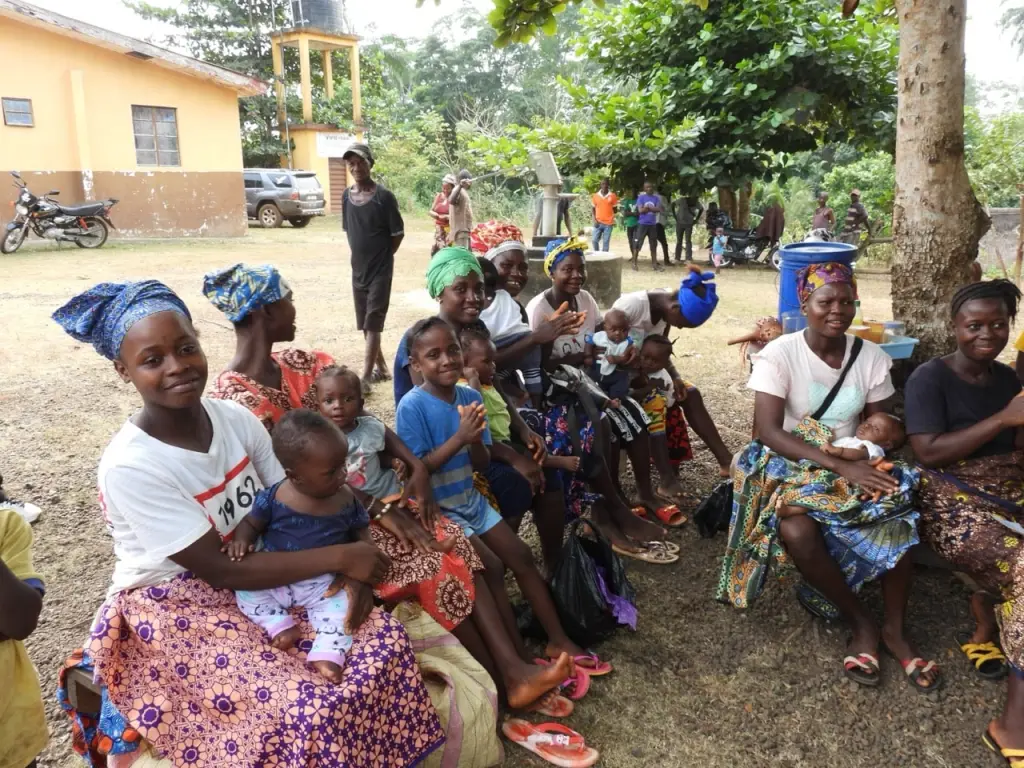
- Sierra Leone: Through Faith Healing Development Organization and Rural Youth Development Organization-SL, women and youth farmers gain tools and training to expand their farms. With agriculture central to the national economy, these programs are helping rural families scale up production and stabilize incomes.
- .Zimbabwe: Working with the Lerato Children’s Home, Bread and Water for Africa® invested in a solar water pumping system to support the drip irrigation project. This development enhances agricultural productivity and optimizes resource management practices within the operation.
These programs show how agricultural self-sufficiency reduces hunger, creates income, and strengthens entire communities. As one of the organizations that helps Africa out of poverty, we are demonstrating that long-term food security is possible when solutions are locally led and culturally grounded.
Orphan Care & the Power of Partnership
Among society’s most vulnerable are orphaned and abandoned children. Bread and Water for Africa® addresses this urgent need through our Orphan Care program, ensuring that children grow up not only with food and shelter but also with love, safety, and the chance to pursue education. In 2025 alone, the program provided homes, meals, and schooling opportunities for 448 children across three African countries.
The impact of Orphan Care goes far beyond meeting daily needs. It creates stability and hope for children who might otherwise face life on the margins, giving them the tools to grow into healthy, educated, and resilient adults.
What makes this work possible is our unique partnership model. Rather than imposing outside solutions, we invest in strengthening local, grassroots organizations that already understand their community’s needs. Local leaders design and manage the programs, while we provide the resources, training, and support that help them grow. This ensures that every effort is sustainable, culturally grounded, and capable of lasting for generations.
Our entire model is built on this belief: the best solutions come from within communities themselves. By empowering local organizations, we build capacity where it matters most, at the heart of the community.
You Can Be Part of the Solution
The challenge of poverty in Africa is complex, but the path forward is clear. Change happens when communities are empowered with the tools, resources, and support they need to create their own sustainable futures. At Bread and Water for Africa®, we invest in programs that are designed and led by local partners, ensuring every effort is relevant, culturally grounded, and built to last.
When you give, you can trust your support makes a direct impact: 99% of all expenses go directly toward program services. That means nearly every dollar goes where it is needed most: providing clean water, nourishing meals, education, healthcare, and hope to families across Africa.
Now is the time to take action. Together, we can create lasting change. Donate today and be part of the solution.