 If a child experiences malnutrition in their early childhood, it is impossible to compensate for the losses in their growth and health. Malnutrition means not only an increased vulnerability to diseases, stunted growth, and a weakened learning ability, but it also means long-term complications for the child’s well-being, the stability of their community – and even the stability of their country.
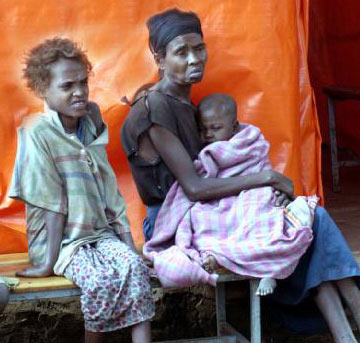
Malnourished mother and children. |
If a child experiences malnutrition in their early childhood, it is impossible to compensate for the losses in their growth and health. Malnutrition means not only an increased vulnerability to diseases, stunted growth, and a weakened learning ability, but it also means long-term complications for the child’s well-being, the stability of their community – and even the stability of their country.
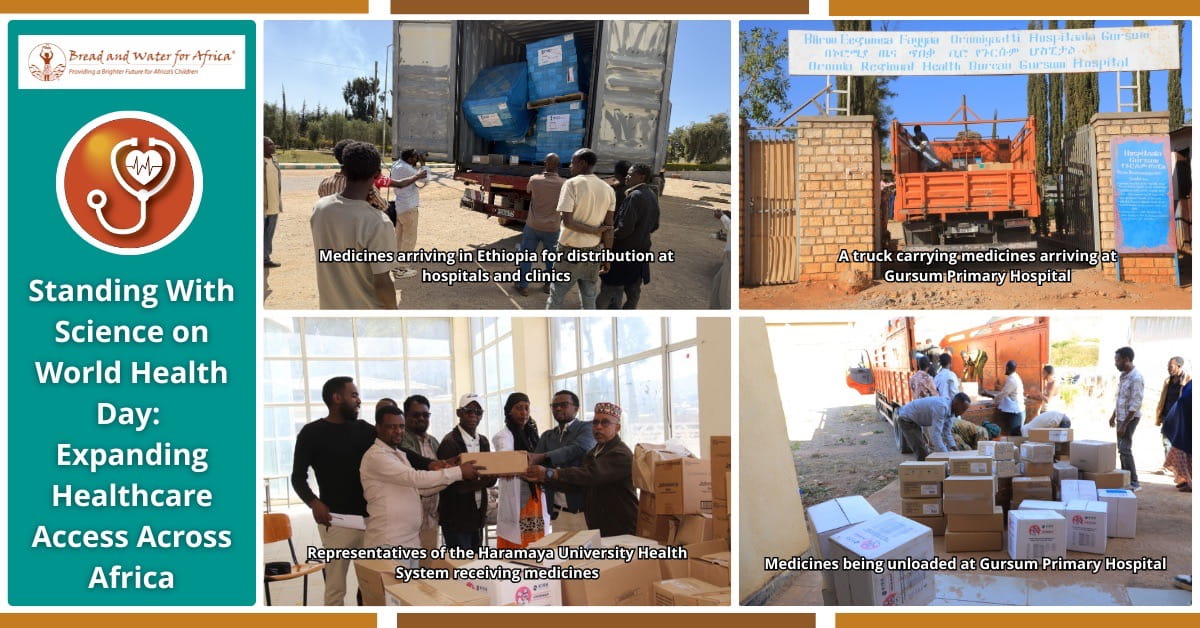
Many people are aware of the droughts that regularly plague Ethiopia. Indeed, droughts and floods weaken the fragile livelihood of these already vulnerable communities. However, there is another tragedy occurring silently in Ethiopia (and in Sierra Leone and Kenya, too), one that doesn’t kill as abruptly as natural disaster, but is taking a toll nonetheless, and it is happening every day. It is malnourishment.
Half of the children in Ethiopia are malnourished. Deprived of vital nutrients, they grow stunted, sickly and weak for the rest of their lives.
A deficient nutritional intake at this crucial stage means children are afflicted with an irreversible handicap they will have to bear for the rest of their lives. Failing to achieve their potential IQ levels as a direct result of iron or iodine deficiencies, these children will face yet another challenge on the long list they already bear for simply being born into an impoverished African community.
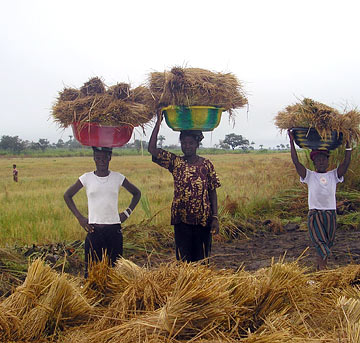
Harvesting at FHDO Farmland at Yainkainsa to be used at the clinics |
Results of numerous studies show that malnutrition within a child’s first two years of life is irreversible and is directly responsible for lower educational achievements and susceptibility to diseases for the rest of the child’s life. Malnutrition is both the cause and the effect of limited opportunities for socioeconomic development. Frankly, it is keeping Africa impoverished.
The interaction between malnutrition and poverty is apparent throughout one’s life. Maternal malnutrition, as reflected in low weight gains during pregnancy and poor health, are related to low birth weights. Subsequently, a baby’s development may be harmed if his or her mother’s breast milk is insufficient due to her own malnourishment. Improving the mother’s health brings double benefits: not only does it contribute to the increased wellbeing and productivity of the mother, but it also contributes to providing the baby with a better chance of being healthy and making a positive contribution to Africa’s future.
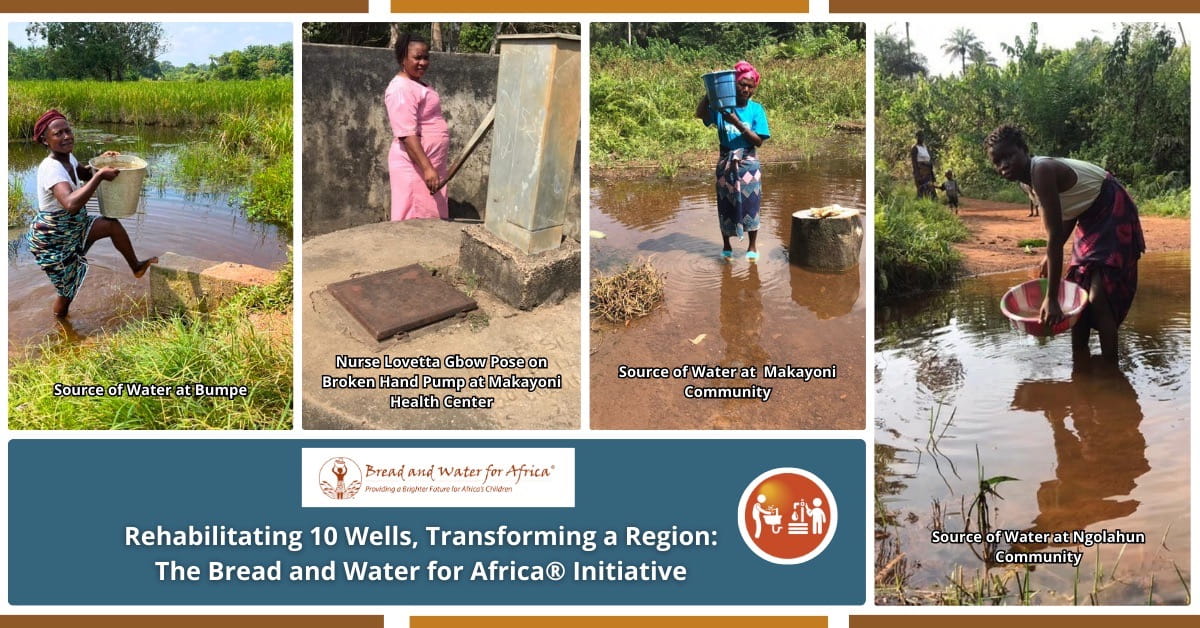
This is why Bread and Water for Africa® is involved in several nutrition and food-related projects across the continent. For instance:
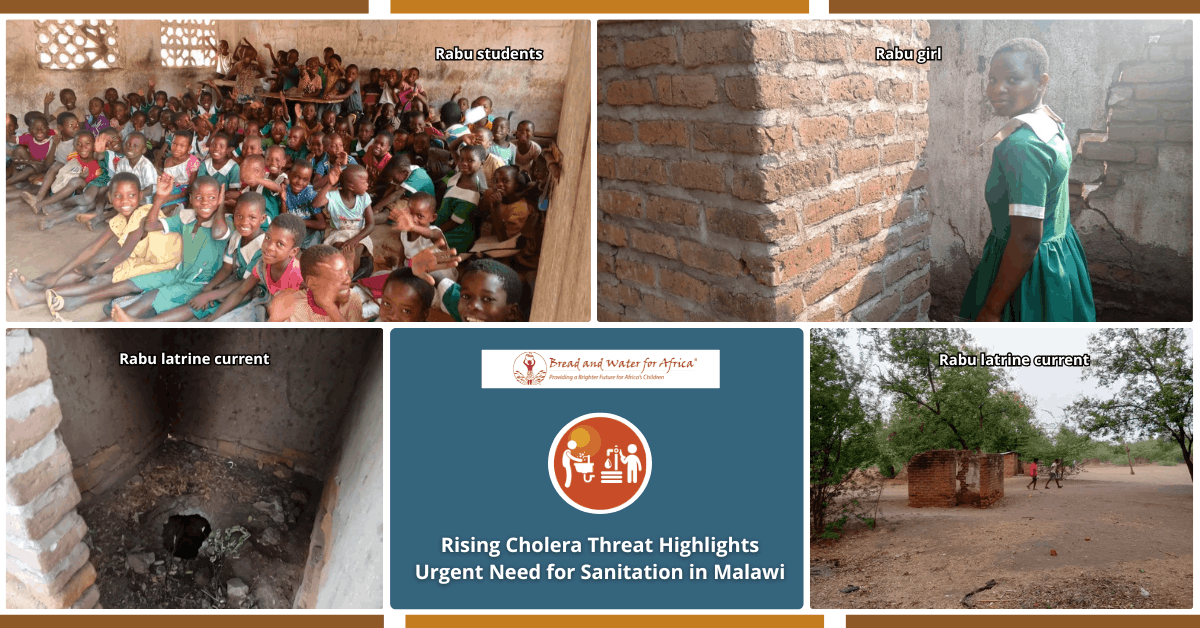
• In Rokel, Sierra Leone, our local partners at the Faith Healing and Development Organization provide mothers with nourishing food after they have given birth so that they can nurse their babies longer—giving them a better chance at life.
|
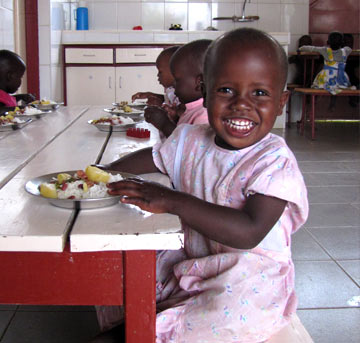
Lunch time at the Lewa Children’s Home |
• In the Afar region of Ethiopia we work with our local partner, YETEEM Children and Destitute Mothers Fund, on agro-pastoral projects to improve the nutrition and health of vulnerable communities.
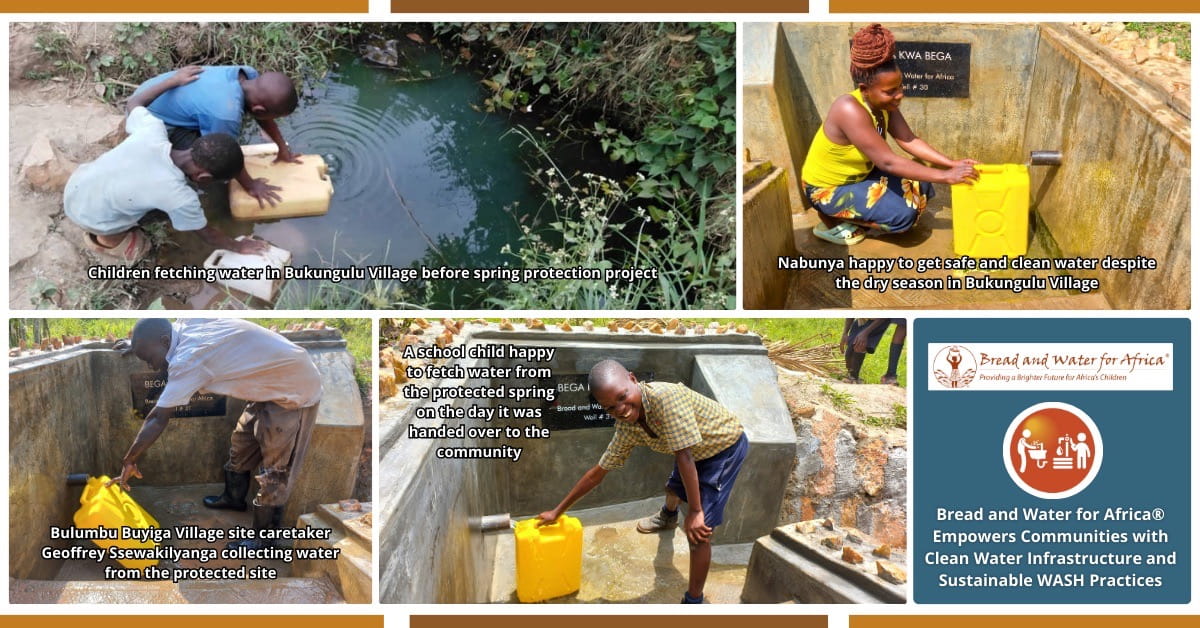
• In Eldoret, Kenya, we are especially proud of the work accomplished at our very own sustainable food initiative at the Baraka Farm to supply the Lewa Children’s Home with fresh milk and healthy food for the orphans. With a healthy start they will have the chance of a better life that we all work so hard to provide them with.
Please help ensure these vital nutrition programs continue in Africa…