Poverty in Sierra Leone is a complex issue shaped by history, geography, and ongoing social and economic challenges. Despite the nation’s natural beauty and cultural resilience, many communities continue to struggle with limited access to education, healthcare, and reliable infrastructure.
In this resource, we explore why Sierra Leone faces such widespread hardship, what child poverty in Sierra Leone looks like, and the ways we can work together to create lasting change.
A Glimpse Into Life in Sierra Leone
Sierra Leone is a country known for its vibrant traditions, rich music, and strong community ties. Its landscapes range from lush green hills to pristine beaches, offering glimpses of a nation full of promise.
For many outsiders, the question often arises: Is Sierra Leone a poor country? The answer becomes clear when looking at daily life. Behind this beauty lies a daily reality of hardship for many families. More than half the population of Sierra Leone lives in poverty, with many surviving on less than $2 per day (WFP, 2025).
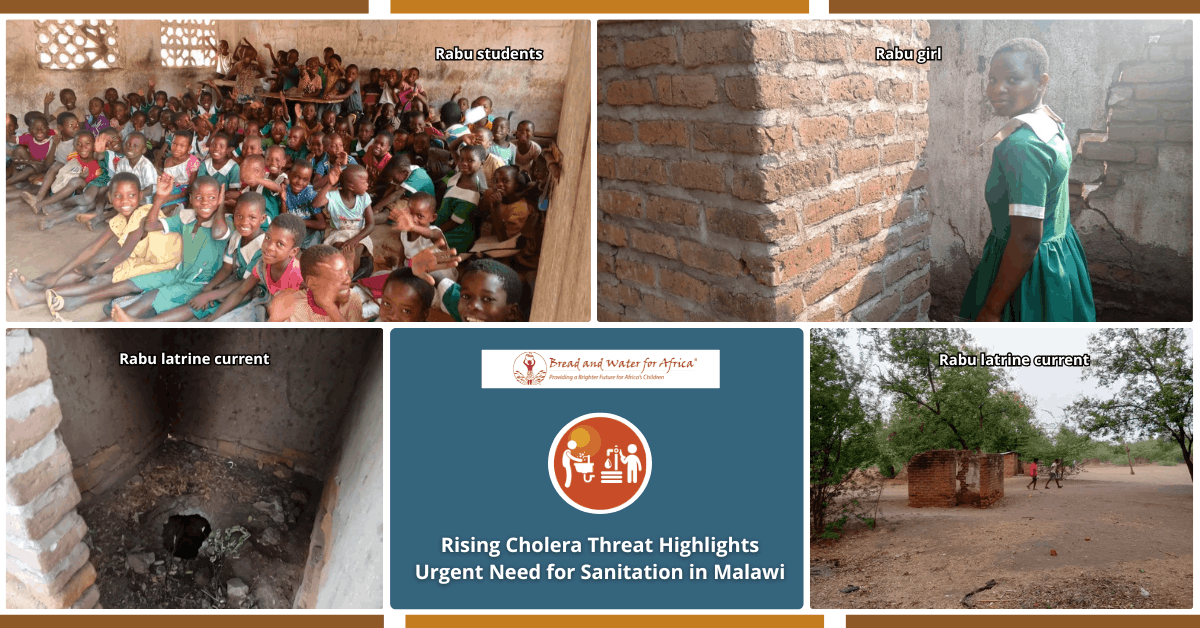
This level of poverty affects nearly every aspect of life. Parents struggle to provide food for their children, schools lack resources to deliver quality education, and communities face inadequate access to safe drinking water and healthcare services.
These conditions paint a stark contrast between the resilience of the people and the barriers they confront each day.
What Do the Numbers Really Say About Poverty in Sierra Leone?
Statistics alone cannot capture the full picture of poverty in Sierra Leone. Each percentage point represents a family struggling to meet basic needs, a child missing school, or a parent unable to find steady work. Understanding these numbers helps us see the daily challenges that so many people face.
Nearly two-thirds of the population lives in poverty. According to the World Bank, the national poverty rate in Sierra Leone was 65.2% in 2024. Due to ongoing inflation, economic stagnation, and global instability, this figure is projected to rise to 58.6% by 2025.
Multidimensional poverty affects a majority of the country. The most recent data shows that an estimated 59.2% of Sierra Leoneans experience multidimensional poverty, meaning they face multiple deprivations at once in areas such as health, education, and standard of living; not just low income. This broader measure of hardship captures the complex challenges families face day to day, beyond simple income metrics.
The UNDP’s Multidimensional Poverty Index (MPI) provides another perspective. Instead of showing the percentage of people living in poverty, the MPI measures the intensity and breadth of deprivation across different areas of life. Sierra Leone’s MPI value is 0.293 (UNDP). The closer this number is to 1, the more severely people are deprived.
Here is how people are affected across 10 weighted indicators:
- Nutrition: 17.5%
- Years of schooling: 15.3%
- School attendance: 8.8%
- Child mortality: 5.5%
- Cooking fuel: 11.2%
- Housing: 7.6%
- Sanitation: 10.3%
- Electricity: 10.4%
- Drinking water: 6.8%
- Assets: 6.7%
These indicators, as defined under the UNDP’s MPI, should be viewed together, not separately. Each percentage represents how much a specific deprivation contributes to overall multidimensional poverty. When combined, they show how overlapping challenges in health, education, and living conditions compound poverty in Sierra Leone.
Poverty is worst in rural communities. The divide between urban and rural life is staggering. Rural poverty rates are far higher than urban rates. About 80% of people in rural areas live in poverty, compared with roughly 27% in urban areas, based on the most recent estimates of income-based poverty disparities (UNCT). This rural disadvantage means limited opportunities and even fewer resources to break free from the cycle of poverty.
What deprivation looks like in everyday life. Behind these figures are families living without essential services that much of the world takes for granted:
- 87.2% of the population lacks access to basic sanitation
- 68.7% of households have no electricity
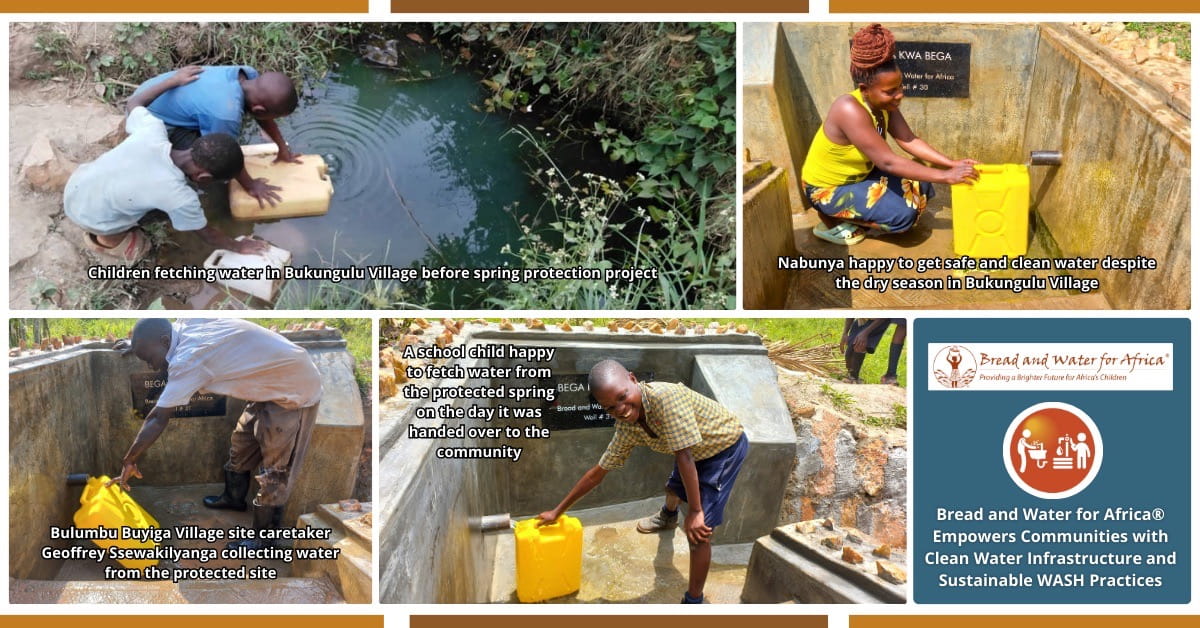
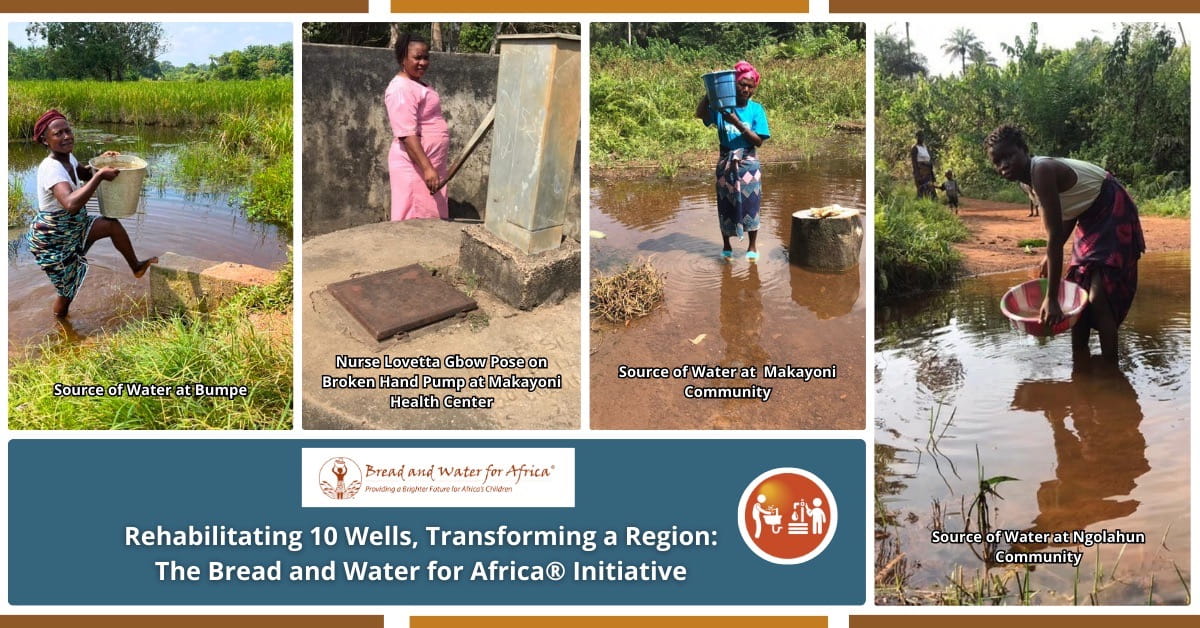
- 33.8% of people lack access to safe drinking water (World Bank)
For many, this means cooking meals over open fires that fill homes with smoke, walking miles each day to fetch water, or storing food without refrigeration. These daily struggles reveal what poverty in Sierra Leone truly looks like beyond the numbers.
Why Is Sierra Leone in Poverty?
When people ask whether Sierra Leone is a poor country, the answer lies in the many interconnected factors that drive hardship. Poverty in Sierra Leone does not come from a single cause. It is the result of interconnected challenges that affect health, education, livelihoods, and opportunities across the country. From struggling farmers to unemployed youth, and from systemic gender inequality to the absence of infrastructure, these barriers reinforce one another and keep families trapped in hardship. The following factors help explain why poverty persists today.
Agriculture and Food Insecurity
Agriculture remains the backbone of Sierra Leone’s economy, providing livelihoods for the majority of families, particularly in rural areas. Yet, farming is largely subsistence-based and underdeveloped. Most smallholder farmers lack access to modern tools, irrigation systems, or storage facilities that could help them produce enough food year-round. Without these supports, even small climate shocks, such as a few weeks of heavy rain or drought, can devastate crops and wipe out a family’s income for an entire season.
The result is widespread food insecurity. According to the WFP, 77% of Sierra Leoneans were food insecure in 2024, with 17% classified as severely food insecure. Families often reduce meal sizes, skip meals entirely, or rely on less nutritious foods just to survive. Children in these households are especially vulnerable to malnutrition, which affects their growth, health, and ability to learn.
Reliance on imported staples like rice deepens this vulnerability. Sierra Leone imports a significant portion of its food, leaving families exposed to global price shocks. Even though international rice prices dipped slightly in 2025, local prices remain high, meaning food is still unaffordable for many. Until agricultural productivity improves, families will remain trapped in a cycle of scarcity and dependency.
Education and Employment Gaps
Education is one of the most powerful tools to break the cycle of poverty, yet Sierra Leone continues to face deep gaps in both access and quality. Around 10% of the population lives in households where no adult has completed primary education (World Bank). This lack of foundational schooling among caregivers has generational consequences. Parents who struggle with literacy or numeracy are less able to support their children’s education, perpetuating a cycle where poverty and limited opportunity pass from one generation to the next.
These realities help answer the question of whether Sierra Leone is a poor country. Without education, opportunities remain scarce, and poverty continues from one generation to another.
Even for children who attend school, resources are scarce. Many schools lack textbooks, trained teachers, or even basic infrastructure like desks and safe classrooms. This contributes to high dropout rates, especially in rural areas. Without consistent access to quality education, children grow up without the skills needed to secure stable employment.
The employment landscape is equally challenging. Formal job opportunities are limited, particularly outside of major cities. Youth unemployment and underemployment remain persistently high, leaving young people with few prospects. Many turn to informal work or low-paying agricultural labor, which does little to break the cycle of poverty. Until stronger connections are built between education and employment, families will continue to struggle.
Gender Inequality
Gender inequality remains a significant barrier to poverty reduction in Sierra Leone. The country’s Gender Inequality Index score is 0.566, ranking 152 out of 172 countries (UNDP, 2025). This reflects deep disparities in education, health, and economic participation.
Girls face steep challenges in accessing and completing education. Families facing financial hardship often prioritize boys’ schooling over girls’, leading to higher dropout rates for girls. Early marriage compounds the problem. Nearly 30% of girls are married before the age of 18 (UNICEF), which often forces them to leave school and start families at a young age. Without education, these young women have fewer opportunities to participate in the formal workforce, limiting their economic independence.
Women who do work are often confined to informal or low-paying jobs, such as petty trading or subsistence farming. They are less likely to own land, have access to credit, or participate in decision-making at the household and community levels. This inequality keeps women economically dependent and limits the potential of half the population to contribute fully to national development. Addressing gender disparities is not just a matter of fairness; it is critical to reducing poverty as a whole.
Infrastructure, Health, and Climate Vulnerability
The lack of infrastructure in Sierra Leone is a major obstacle to development. Many rural communities are cut off by poor or nonexistent roads, making it difficult to reach markets, schools, or healthcare facilities. Without reliable transportation networks, farmers cannot sell their crops, children cannot attend school consistently, and families cannot access lifesaving medical care. Schools and clinics that do exist often suffer from inadequate facilities, leaving entire communities underserved.
Health outcomes reflect these challenges. Malnutrition affects 26.2% of children under five (WFP, 2025), leaving lasting effects on physical and cognitive development. Diseases like malaria remain widespread, and the country’s health system continues to recover from past crises such as the Ebola epidemic. Families often must walk long distances to reach clinics, and even then, medicine and trained staff may be unavailable.
When asked if Sierra Leone is a poor country, the absence of strong infrastructure and healthcare provides part of the answer. These gaps keep families vulnerable, limit opportunity, and make recovery from setbacks extremely difficult.
Climate vulnerability adds another layer of difficulty. Sierra Leone is prone to flooding, landslides, and droughts, all of which destroy crops, homes, and livelihoods. These disasters disproportionately affect the rural poor, who have few resources to rebuild. As climate change intensifies, the risks of displacement, hunger, and disease outbreaks will only grow. Without stronger infrastructure and health systems, families will remain vulnerable to shocks that push them further into poverty.
How Are Children Impacted the Most?
Children bear some of the heaviest burdens of poverty in Sierra Leone. Their formative years are shaped by hunger, limited schooling, and a lack of access to healthcare, setting them on difficult paths before they have the chance to thrive.
According to the World Bank, 30.5% of poor people in Sierra Leone were children under the age of 15 in 2025. This means nearly one in three of those living in poverty are children, highlighting how disproportionately hardship affects the youngest members of society.
Nutrition is one of the greatest challenges. Around 26% of children under five are stunted, according to UNICEF. Stunting results from chronic malnutrition and has lifelong impacts on physical growth, brain development, and school performance. Families facing food insecurity often struggle to provide children with enough meals, let alone the variety of nutrients needed for healthy growth.
Opportunities for learning are also limited from the start. Only 12% of children in Sierra Leone attend early childhood education programs (UNICEF), leaving most without the foundation that would prepare them for primary school. This disadvantage compounds as children grow older. By the time they reach adolescence, many are already behind in their studies or out of school entirely.
Poverty also pushes children into the workforce. An estimated 25% of children are engaged in labor, often helping families farm, fetch water, or sell goods in informal markets. These responsibilities keep children from focusing on education and perpetuate the cycle of poverty from one generation to the next.
For many children, education is a luxury. Hunger is daily. And access to care is not guaranteed. These realities underscore why child poverty in Sierra Leone is one of the most urgent challenges to address in the fight against poverty overall.
Is There Any Progress?
Despite the many challenges Sierra Leone continues to face, there are clear signs of progress that offer hope for the future. Development has not been easy or uniform, but the country has achieved measurable gains over the past three decades.
According to the UNDP, Sierra Leone’s Human Development Index (HDI) improved from 0.313 in 1990 to 0.467 in 2023, a 49.2% increase. This reflects advances in life expectancy, education, and living standards. Life expectancy alone has grown by 18.1 years during this period, meaning more children are surviving past childhood and adults are living longer, healthier lives.
Education is another area where progress is evident. Both expected years of schooling and average years of schooling have risen, reflecting greater access to classrooms and opportunities for learning. While gaps remain, especially for rural children and girls, the upward trend shows that investments in education are beginning to make a difference.
Food security has also improved, though challenges remain. The WFP reports that overall food insecurity fell from 80% to 77%, and severe food insecurity dropped even more sharply, from 28% to 17%. These numbers show that fewer families are facing extreme hunger compared to recent years.
Progress helps reshape the answer to the question of whether Sierra Leone is a poor country. While challenges persist, the steady gains in health, education, and food security prove that poverty does not define the nation’s future.
Still, this progress is fragile. Inflation continues to push up the cost of basic goods, while inequality leaves rural and marginalized communities at a disadvantage. The threat of climate shocks and global instability also looms over these hard-won gains. Yet the improvements demonstrate that change is possible, and that with sustained support, Sierra Leone can continue moving toward a more hopeful future.
How Can We Help?
At Bread and Water for Africa®, we believe that poverty in Sierra Leone can be overcome when children and families have access to the essentials they need to thrive. Our programs in Sierra Leone focus on child-centered solutions; from education and clean water to food security and healthcare. Designed to break cycles of poverty and create lasting change.
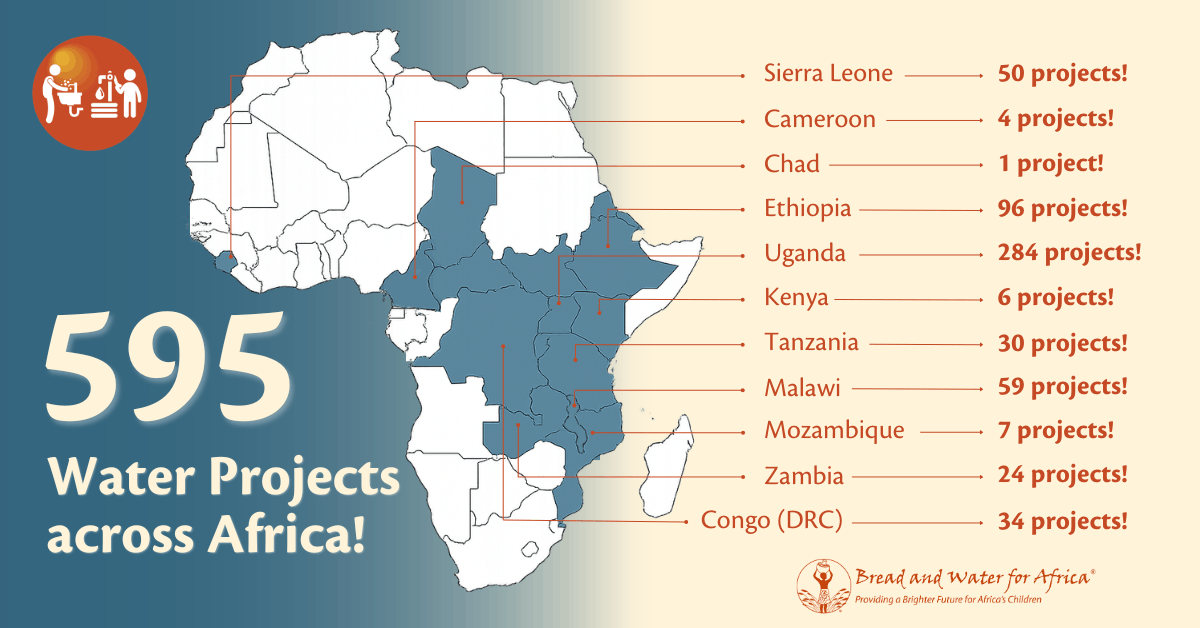
In fiscal year 2025 alone, with the support of our donors and partners, we reached more than 240,000 people across 11 countries, delivering healthcare services to over 114,000 individuals, expanding access to clean water for 70,300 community members, supporting 32,500+ children and youth through education programs, and providing daily school meals to children in underserved communities. These impacts represent real change on the ground: children receiving medical care, families gaining reliable access to clean water, and students able to learn and thrive with consistent meals and educational support.
Stories and news from the field illustrate what these programs mean in everyday life. In Sierra Leone, we have seen children return to school because they no longer have to spend their days searching for water, and families grow stronger as access to food and healthcare reduces the burden of survival. Each success story shows the direct impact of community-driven solutions.
But the need remains urgent. Inflation, food shortages, and inequality still threaten progress. With your help, we can ensure that every child in Sierra Leone has a fair chance to grow up healthy, educated, and full of possibilities. If you are looking for meaningful ways to help, we invite you to support Sierra Leone by donating, sharing our mission with others, or exploring our programs to see the many ways we are working for change.
Together, we can make a lasting difference for children and families in Sierra Leone.