Bread and Water for Africa® believes the most effective way to create lasting change is to empower local leaders. Our approach is built on deep, long-term partnerships with community leaders and organizations on the ground.
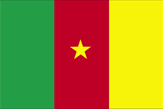
We support these local partners by providing the resources to run vital initiatives, including our Orphan Care Program, Water, Sanitation, and Hygiene (WASH) Program, Healthcare Program, Education Program, Agricultural Program, Income Generation Program, and School Meal Program. We are proud to introduce you to the dedicated partners who make this life-changing work possible.
 Cameroon:
 Chad:
Chad: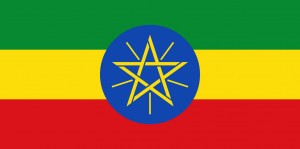 Ethiopia:
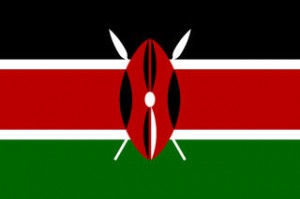 Kenya:
 Democratic Republic of the Congo (DRC):
Technologies Appropriées pour le Congo
Malawi:
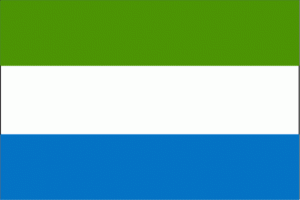 Sierra Leone:
Faith Healing Development Organization
United Methodist Church of Sierra Leone
Rural Youth Development Organization
Sierra Leone Missions and Development
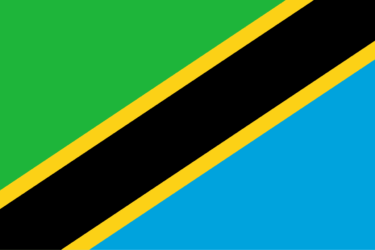 Tanzania:
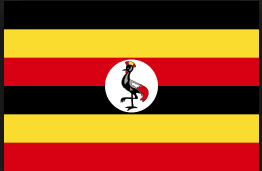 Uganda:
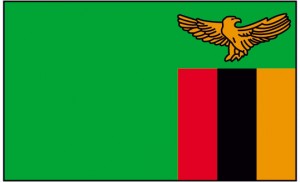 Zambia:
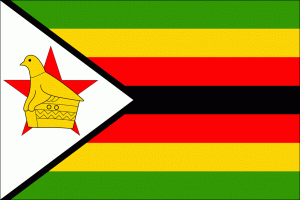 Zimbabwe:
2025 HIGHLIGHTS